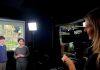






















The Novel Coronavirus: Facts and Fictions
While growing concerns have allowed for a more effective implementation of social distancing measures, mounting disinformation puts people at risk of unwittingly...
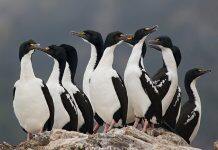
Blue-eyed shags survive Ice Age in New Zealand
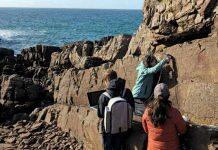
The genetic whakapapa of New Zealand’s blue-eyed shags stretches back millions of years – outliving their close relatives throughout the Ice Age – University of Otago research has found.

Shift to online means universities and governments must act now to ensure no one...
Governments and universities need to take swift action to ensure no one is left behind in the shift to online teaching...
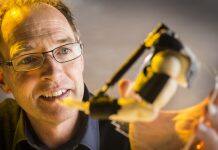
UOW researcher developing artificial muscle in miniature devices recognised on the global stage
The development of the next generation of non-invasive surgery or robotic surgical systems, like miniature tweezers, prosthetic hands or dexterous robotic devices, is bringing researchers a step closer...
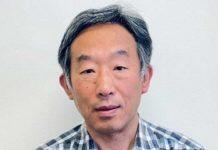
Prestigious Fellowship award for research into green technology
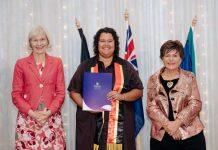
Professor Shaobin Wang from the University of Adelaide’s School of Chemical Engineering has been named one of the Australian Research Council’s (ARC) 2023 Australian Laureate Fellows.
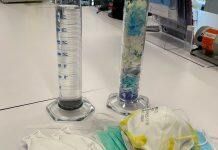
Turning PPE into water: sounds like a miracle?
Turning non-recyclable personal protective equipment into water and vinegar could be the game-changing solution the world needs to stop tonnes of PPE being dumped daily into landfills and oceans.

Partnership renewal highlights music and education at every level
The University of Melbourne has extended its exclusive partnership with the Australian Chamber Orchestra (ACO) for another seven years, with students, staff, and Victorian primary school students among the primary beneficiaries.

AUT hosts 10th CS4HS conference
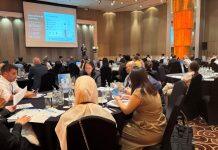
More than 100 secondary school teachers from across Aotearoa gathered at AUT’s City Campus for the 10th Computer Science for High Schools (CS4HS) conference.
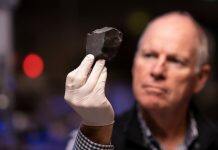
Australia-bound asteroid sample may reveal life’s origins
A Japanese space mission will deliver samples collected from asteroid Ryugu in a capsule to the outback desert of Woomera in South Australia this Sunday morning.
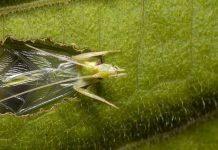
Animals like crickets use the ground to amplify calls: Western study
When animals ‘sing’ sitting on the ground- such as when crickets chirp— their volume and reach increase dramatically, by as much as ten-fold. This result from a study by Western researchers...