








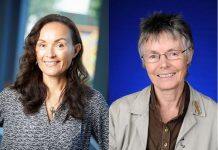
Waikato researchers recognised as Royal Society Te Apārangi Fellows
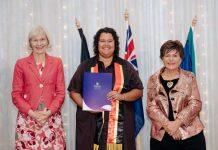
Two University of Waikato Professors have been named Fellows to the Academy of the Royal Society Te Apārangi acknowledging the impact of their research at both a national and international scale.

Lancaster physicist becomes Royal Astronomical Society President-Elect
Space physicist Professor Jim Wild has been elected as President-Elect of the Royal Astronomical Society (RAS).
4th Australasian Commodity Markets Conference
A conference dedicated to high-quality research in all areas of economics and finance related to commodity markets, with an emphasis on – but not limited to – the Australasian aspects of commodity markets and energy risk.

From UWA to global impact: alumnus Glen Travers revolutionises diabetes care
Innovation is the lifeblood of progress, transforming bold ideas into solutions that shape our world. At The University of Western Australia, we foster a spirit of inquiry and ambition...
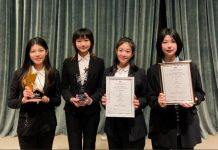
Students from the Faculty of Hospitality and Tourism Management of M.U.S.T won the Gold...
The results of“The 3rd Macau Vocational English Contest” organized by the Macau Productivity and Technology Transfer Center have been announced recently, and the award ceremony was held on March 23, 2022. The team of four third-year bachelor students from FHTM...
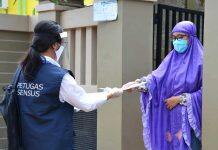
More and more people missing from official data
Researchers are warning that millions of people around the world aren’t being counted in census and survey data, leaving policymakers in the dark about the populations they govern.
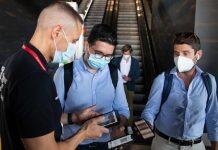
OPINION: COVID restrictions may be easing, but the pandemic isn’t over yet
Many countries are winding back COVID-19 restrictions, but governments should be continuing to promote the importance of voluntary mask use and catching up outdoors.

Melbourne hosts Swiss delegation to accelerate innovation through global partnerships
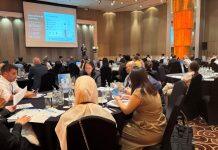
The University of Melbourne has hosted a Swiss delegation of 28 government, research, and industry leaders to explore collaborative opportunities between Australia and Switzerland.

University of Queensland awarded global grant to provide free online courses
The University of Queensland is among just ten educational institutions to receive a slice of $1.4 million to create courses designed to develop Essential Human Skills for the Virtual Age.
Breakthrough raises hopes for Strep A vaccine that could save half a million lives...
Scientists have discovered how some children develop natural immunity to a bacterial infection, a vital breakthrough which could help develop vaccines to save up to half a million lives globally each year.