





















How Mars 2020 Will Help Bring Part of the Red Planet Back to Earth
The mission, Mars 2020, passed the halfway point of its journey in October 2020 and is expected to touch down on solid ground on February 18.

Academics find game classifications do not influence popularity
Researchers from The University of Western Australia working with Perth Games Lab have found Australian Classification Board ratings do not influence players when they are deciding what to play.
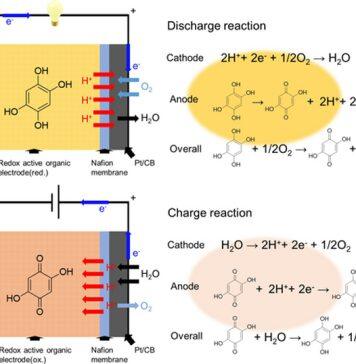
Prestigious Fellowship award for research into green technology
Professor Shaobin Wang from the University of Adelaide’s School of Chemical Engineering has been named one of the Australian Research Council’s (ARC) 2023 Australian Laureate Fellows.

King’s receives award recognising commitment to LGBTQ+ inclusion at work
King’s College London’s continued commitment to shaping an inclusive environment for LGBTQ+ people at work was recognised today with a Workplace Equality Index Gold Award.

Nanoparticles help scientists zoom in on super small objects
Physicists at The Australian National University (ANU) and the University of Adelaide are using nanoparticles to develop new sources of light that will allow us to peel back the curtain into the world of extremely small objects...

Australian-first network to drive collaboration across digital health research and education
The University of Newcastle has been announced an inaugural member of an Australian first, national, cross-university network that will advocate for, and advance digital health...
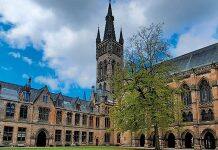
School Achieves FT European Business School 2020 Ranking
The Adam Smith Business School has been recognised as one of this year’s top 90 European Business Schools by the FT in its 2020 ranking results.
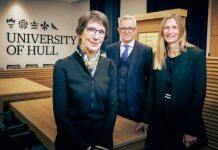
University of Hull Unveils New Law Court in Honour of Dame Eleanor King
The University of Hull has officially unveiled its new campus law court, named in honour of its most prestigious legal alumnus.

Vast majority of Australians want COVID-19 boosters
More than seven-in-10 vaccinated Australians say they will definitely get a COVID-19 vaccine booster shot when it is recommended to them...

Culbert Hotere exhibition launches university’s new city gallery space at CoCA
The Head of Fine Arts at the University of Canterbury (UC) Aaron Kreisler is delighted to return to central Christchurch with exhibitions by UC staff...