















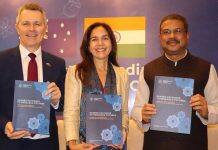
Australia-India Research Collaboration Framework released
A landmark framework will drive the next phase of Australia-India research collaboration, shaping multi-sector partnerships that tackle shared challenges and deliver real-world impact.

More than 87,000 scientific papers on coronavirus since pandemic
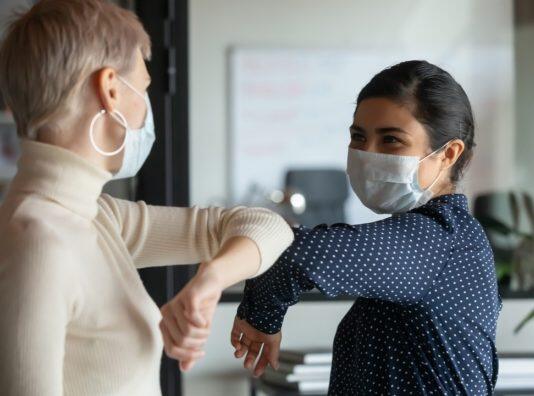
Scientists from around the world have published more than 87,000 papers about coronavirus between the start of the COVID-19 pandemic and October 2020, a new analysis shows.

Young people want trustworthy mental health apps
Young people may not be receiving the mental health support they need because of a lack of trust in the smartphone apps that deliver such services, a study suggests.

Lucky seven for Curtin’s world No. 2 in mineral and mining engineering
Curtin University has maintained its position as the world’s second-ranked university and number one in Australia for mineral and mining engineering for the seventh year in a row in the 2023 QS World University Rankings by Subject.
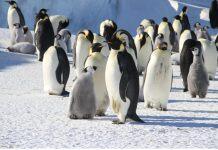
One little penguins’ journey has created a big path to future funding
The Penguin Research Fund began with Moana, a small hoiho penguin, with a big burden to bear. Designed by members of Associate Professor La Rue’s team at Gateway Antarctica in the School of Earth and Environment...

Predicting tornadoes on UK cold fronts for the first time
Weather forecasters can more accurately predict when a tornado is likely to hit the UK thanks to a new tool devised in a partnership between the University of Leeds and the Met Office.

University design student collaborates with global creative group
A bright blue avatar created by a University of Waikato design student is on show across New Zealand as part of the University’s A Trimester 2023 campaign.

Delegation of the British ambassador to China visits WHU
On December 15th, the award ceremony of the 11th “Good Supervisors in My Mind” was held in the Humanities Hall of WHU.
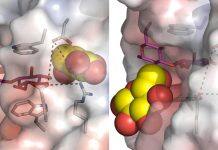
Ultra-fast plant enzyme dynamics leads to breakthroughs
Researchers from the University of Adelaide have uncovered previously unknown properties in a plant enzyme that could lead to advances in cereal production, medical and pharmaceutical industries.

Apples and oranges: Can the UK economy ride out the Omicron wave?
As Omicron strikes and restrictions are reintroduced, the economy is in a better position to take the hit, suggests Professor Andrew Godley in our latest Leading Insight.