
















Students at the centre of new $70 million Arts and Cultural Building
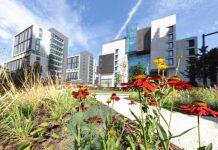
A vibrant new $70 million Arts and Cultural Building at the University of Melbourne puts students at the centre of a space that encourages connection, artistic creativity, and collaboration.

New hope to treat and reverse osteoarthritis
Current osteoarthritis treatment manages symptoms rather than addressing the underlying disease, but a new University of Adelaide study has shown the condition may be treatable and reversible.

Deep roots of Australia’s geology revealed
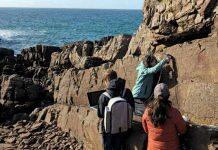
A new study has shown for the first time how Australia's rich geological history is reflected deep below the Earth's surface.
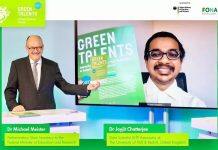
University of Hull scientist jets to germany in recognition of outstanding sustainability research
A scientist has been recognised for his research in using Artificial Intelligence to increase wind turbine reliability.

OUHK presents over HK$11 million in scholarships and bursaries to more than 1,000 students
The Open University of Hong Kong (OUHK) presented financial awards with a total value of over HK$11 million to 1,094 students in the year 2019/20.

Study identifies illicit finance risks in Premier League club ownership structures
The Premier League is currently vulnerable to new investors and team owners who could have sourced their wealth from illicit activities.
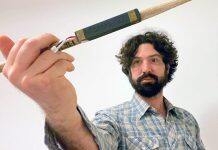
Sensory tech for inclusive performances at Melbourne Design Week
People living with disability will have the world of music opened to them at this year’s Melbourne Design Week, with performances involving hi-tech instruments that use sensory technology to convert movement into sound and visuals.

“Futurizing” undergraduate teaching
Associate Professor Michael Short's innovative approach can be seen in the two nuclear science and engineering courses he’s transformed.

Top students from University of Waikato take science learning back to their community
Two sisters, who have been recognised by an international academic honours’ society for their excellence in science, are taking what they have learned at the University...
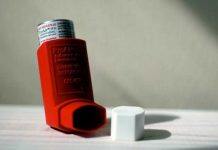
Potential new therapeutic target for asthma discovered
A new way to treat asthma symptoms and even repair previously irreversible lung damage could be on the horizon following the discovery of a potential