

















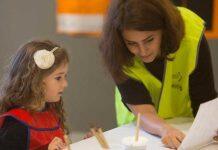
UOW Early Start Discovery Space presents collaborative art experiences with Bundanon
University of Wollongong (UOW) Early Start Discovery Space and South Coast cultural organisation Bundanon have collaborated on new play-based art experiences for children and their adults that consider water in our environment.
Researcher develops better ways to convert CO2 and biofuel byproducts into valuable chemicals
A University of Alberta researcher has developed better ways to convert carbon dioxide, a harmful greenhouse gas, and glycerol, a leftover of biodiesel production, into value-added materials with wide-ranging uses including liquid hydrogen storage.

£4.7m consortium aims to accelerate growth of Scotland’s photonics sector
The Universities of Glasgow and Strathclyde are leading a new consortium which has won £4.7m in funding to support the aim of tripling the photonics sector across Scotland’s central belt.

New discovery may ‘unlock’ the future of infectious disease and cancer treatment
Researchers have identified a ‘guard mechanism’ for a protein which attacks microbes in infected cells, opening the possibility of new treatments for Toxoplasma, Chlamydia, Tuberculosis and even cancer.

Social science student tailors degree for future in public health
When Kathrina Goodwin applied to Western, she was torn between pursuing health sciences and international relations.

Study uncovers how the gut’s microbiome boosts immune system development
A study is shedding new light on how the gut’s microbial communities contribute to a well-functioning immune system and defend against harmful pathogens.

Researchers identify largest ever solar storm in tree rings
An international team of scientists have discovered a huge spike in radiocarbon levels 14,300 years ago by analysing ancient tree-rings found in the French Alps.
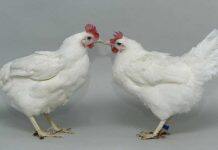
Gene-edited chickens in fight against bird flu
Scientists have used gene editing techniques to identify and change parts of chicken DNA that could limit the spread of the bird flu virus in the animals.

Off the Shelf Festival of Words announces lineup for its 32nd edition (13-29 October...
Off the Shelf Festival of Words, one of the most well-known and loved literary festivals in the UK, will return to Sheffield for its 32nd edition from 13- 29 October, bringing together the best of local, regional, and international literary talent.
Durham Book Festival 2023
Durham's annual Book Festival returns from Friday 13 - Sunday 15 October.