






















PhD student aims to change how engineering is done in northern and Indigenous communities
Raylene Mitchell's research is focused on the relationship between large-scale, renewable energy projects and the communities involved.

University of Waikato jumps up global university rankings
The University of Waikato is proud to be recognised as number one in New Zealand for research citations in the annual 2023 QS World University Rankings...
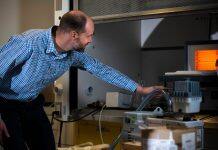
Hydrogen research heats up
A University of Alberta research team is working with a Calgary energy company to extract hydrogen and high-demand carbon products from natural gas, while emitting less carbon dioxide in the process.
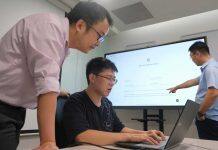
Using chatbots against themselves to ‘jailbreak’ each other
Computer scientists from NTU have found a way to compromise artificial intelligence (AI) chatbots – by training and using an AI chatbot to produce prompts that can ‘jailbreak’ other chatbots.

Caution needed over screening scores for heart patients
Existing non-invasive screening tools may miss heart failure amongst patients with atrial fibrillation (AF) and should be used with caution, according to the latest research.

Engineering Professor Max Wong’s gift funds quantum tech research
For Max Wong, it’s always been about working together on the quest for wider and deeper knowledge.

State of Australasia Cities Conference comes to Aotearoa
For the first time in its 20-year history, the State of Australasia Cities Conference will be held in Aotearoa New Zealand next year.

Ancient plankton hint at steadier future for ocean life
A team of scientists has uncovered a rare isotope in microscopic fossils, offering fresh evidence that ocean ecosystems may be more resilient than once feared.

Canadian study shows ethnicity is important factor in paediatric inflammatory bowel disease
Inflammatory bowel disease (IBD) includes Crohn's disease and ulcerative colitis and is characterized by chronic inflammation of the gastrointestinal tract.

Trade deals and changing diets key influencers in securing nutrient rich food
Research by the University of Southampton shows future choices about trade, diet and climate change will be crucial in securing micronutrient food supplies for the UK.