













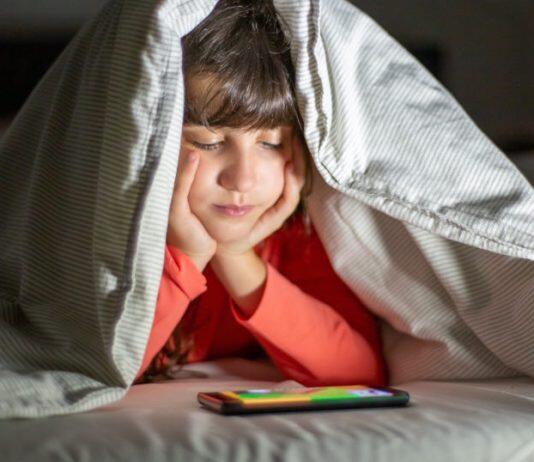
Growing inequality in job market risks widening disadvantage gap between children
Parents who were already disadvantaged before the pandemic were more likely to have suffered a salary cut or unemployment during the crisis
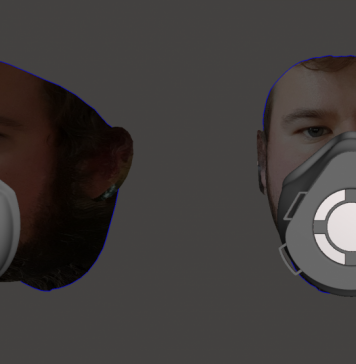
Kiwi scientists develop method to disinfect PPE for potential reuse in Covid-19
Kiwi scientists have developed a shipping container-based unit to disinfect N95 masks and other PPE, so it can be potentially reused and safely recycled.

COVID-19 disruptions to HIV prevention could increase new infections amongst men
Disruptions to HIV prevention and treatment strategies due to the pandemic could increase new HIV infections amongst men who have sex with men.
National study into long-term Covid-19 impacts launched
The University of Dundee’s Professor James Chalmers is the Scottish lead of a major UK research study into the long-term health impacts of Covid-19 on hospitalised patients launched today.

Not pursuing your goals during the pandemic is good for your mental health
People who shelved their long-term goals during the pandemic were better able to avoid anxiety and depression, according to a new study.
Working with local biotech, University of Toronto to test drug that may prevent fatal...
The University of Toronto has partnered with Markham, Ont.-based Edesa Biotech on laboratory studies of a drug that physicians are already using at Canadian hospitals in a clinical...
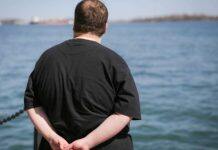
Older adults with obesity experienced greater stress during COVID-19’s first year
Adults over 50 living with obesity were more likely to experience stressors during the first year of the COVID-19 pandemic, despite being less likely to perceive the pandemic’s consequences as negative...
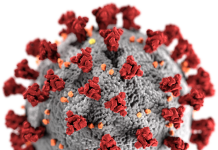
Some COVID-19 symptoms could be anxiety driven, show hearing scientists
Reports of symptoms such as tinnitus and hearing loss during the coronavirus pandemic could in part have a psychosocial origin rather than being directly linked to COVID-19 or the SARS-CoV2 virus.
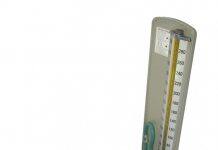
High blood pressure and its drug treatment unlikely to increase entry of COVID-19 virus...
Fears that people with high blood pressure are more at risk from severe Covid-19 because it is easier for the virus to enter their cells and tissues have been laid to rest...
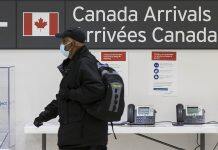
Researchers at University of Toronto, McMaster study COVID-19 testing protocols for arriving international travellers
McMaster HealthLabs, a COVID-19-focused non-profit organization associated with researchers at McMaster University, the Research Institute of St. Joe’s Hamilton...