















New benchmarking tool aims to reshape workplaces across Australia
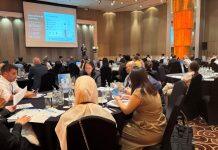
More than half of Australian employees feel lonely in their work, with 15 per cent feeling 'extremely lonely', and younger Australians below 29 years of age feeling lonelier than any other age group.
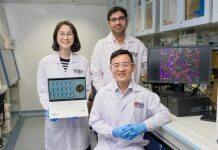
NUS scientists develop realistic ‘micro-gut’ model to study the relationship between gut microbes and...
The 3D scalable ‘gut-on-a-chip’ model enables real-time visualisation of the interactions of gut microbes and the human intestine.

Durham theologians reflect on faith, justice, and the cosmos on flagship radio show
Two of our leading theologians shared their insights on a flagship UK radio programme that broadcasts expert reflections on faith, ethics, and human experience
Lecture to explore connection between climate change and gender equity
The intersection between climate change and gender equity will be the subject of this year’s Contemporary Issues in PRME (Principles of Responsible Management Education)...

UofG scientist wins prestigious Royal Society of Chemistry Prize
Professor Ross Forgan of the School of Chemistry has been named winner of the Royal Society of Chemistry’s Peter Day Prize in recognition of brilliance in research and innovation.

University of Queensland awarded global grant to provide free online courses
The University of Queensland is among just ten educational institutions to receive a slice of $1.4 million to create courses designed to develop Essential Human Skills for the Virtual Age.

Researchers at University of Toronto, Northwestern use AI to accelerate discovery of industrial materials
Researchers at the University of Toronto and Northwestern University are using machine learning to craft the best materials for different industrial uses.
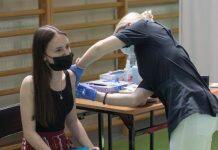
New Zealand approves Pfizer vaccine for young people from 12 to 15, but they’ll...
In a new article on The Conversation, UC's Professor Michael Plank writes that vaccinating young people is key to ensuring our community is protected from Covid-19.
Study to tackle barriers to sport for disabled youth
A Massey University study will investigate the barriers for disabled young people to participate in sport and active recreation.

Carnegie Mellon Joins Network Dedicated to Accelerated Breakthroughs in Human Health
Carnegie Mellon University has joined the Wellcome Leap Health Breakthrough Network, a global group of leading academic and research institutions focused on quickly solving...