













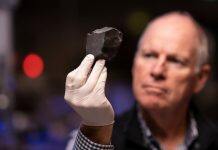
Australia-bound asteroid sample may reveal life’s origins
A Japanese space mission will deliver samples collected from asteroid Ryugu in a capsule to the outback desert of Woomera in South Australia this Sunday morning.

Wearable device to prevent dangerous dehydration
An innovative wearable device to warn of dehydration in the elderly is being designed by a University of Southampton researcher. The device could prevent serious illness and save lives every year – particularly when heatwaves hit.

University of Missouri researcher adds to timeline of human evolution by studying an island...
Nearly two decades ago, a small-bodied "human-like" fossil, Homo floresiensis, was discovered on an island in Indonesia.

K-pop and the consumption of culture
How are fans of Korean pop culture managing tensions between cultural appreciation and cultural appropriation apparent within the K-pop empire? A recent study investigates.
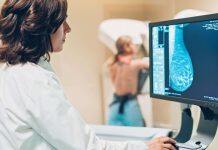
New mammogram measures of breast cancer risk could revolutionise screening
World-first techniques for predicting breast cancer risk from mammograms that were developed in Melbourne could revolutionise breast screening...

Self-testing could reduce the global impact of syphilis: study
Self-testing for syphilis could reduce the sexually transmissible infection’s global impact, a Monash University-led study has found.

Wales-first for USW as it strikes gold for cyber security excellence
THE University of South Wales (USW) has become the only university in Wales to be named as an Academic Centre of Excellence in Cyber Security Education by the National Cyber Security Centre (NCSC) – a part of GCHQ.

Durham Grad awarded prestigious Kennedy scholarship
Former Durham student, Philippa (Pippa) Frizzelle, has been awarded a prestigious scholarship which will see her pursue further studies at Harvard Law School later this year.

Concept for a hybrid-electric plane may reduce aviation’s air pollution problem
At cruising altitude, airplanes emit a steady stream of nitrogen oxides into the atmosphere, where the chemicals can linger to produce ozone and fine particulates.

Researchers deconstruct bee stinger to help develop tiny medical devices
The anatomy of bee stingers could help lead to advancements in the emerging field of micro medical devices.
- Advertisement -