














New funding to advance multiple sclerosis research
Researchers from The University of Western Australia will use cutting-edge technology to unlock vital insights into the immune system’s role in multiple sclerosis (MS)...
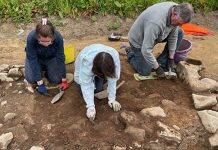
Archaeologists discover long-lost Scottish monastery
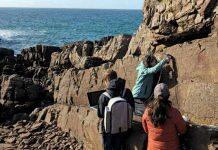
A team of archaeologists, co-led by a researcher at the University of Southampton, believe they have located the site of the lost Monastery of Deer in Northeast Scotland.

The John Rylands Library in Manchester announces a major new exhibition: The Secret Public:...
Launching The John Rylands Library’s redeveloped exhibitions gallery, The Secret Public: LGBTQ Pop 1955 – 1985 examines the profound influence of LGBTQ and LGBTQ-friendly performers, artists and activists on mainstream pop culture.

Researchers win international award for study on supporting care home residents
A study led by researchers at the University of Manchester has been selected by the Mather Institute as the Gold Award recipient of their 2022 Innovative Research on Aging Awards.
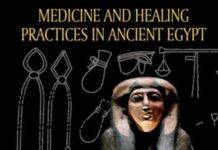
Researchers extol skills of ancient Egyptian medics
Cleopatra would have been in safe hands if she really had been bitten by a snake, or a affected by any number of illnesses - say University of Manchester Egyptologists in a new book.

The Otago Postgraduate Association (OPA) here to help postgrads
Throughout 2022 OPA hopes to increase its visibility among postgraduate students by letting them know it’s open and available to everybody.

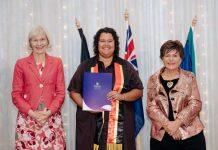
Outstanding educators earn teaching recognitions
University of Adelaide educators Associate Professor Claudia Szabo and Associate Professor Benjamin McCann have been recognised at...
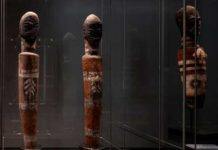
UQ Anthropology museum unveils long-lost Indigenous sculptures
Three sculptures carved by an Indigenous Elder are on display together for the first time in 90 years at an exhibition at The University of Queensland Anthropology Museum.
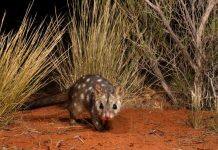
Native mammals ‘taking back’ Australia’s desert ecosystems from the cats
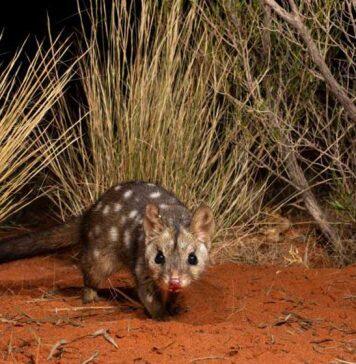
The ambitious trial to reintroduce native marsupial species into Sturt National Park is on track, say Wild Deserts conservationists.

One of the world’s leading technology companies has moved into new premises at the...
Bosch Mobility UK has moved into the i-House at the University of Warwick Science Park, bringing together teams who had previously been based in three separate offices there.