




















UC Davis Full-Time MBA Ranked in Top 50 for 25th Consecutive Year
The UC Davis Graduate School of Management’s Full-Time MBA is ranked among the top 50 programs in the U.S. for the 25th consecutive year, according to U.S. News & World Report’s latest graduate business school rankings released March 17, 2020.

UC appoints first Te Amorangi | Pro-Vice-Chancellor Pacific
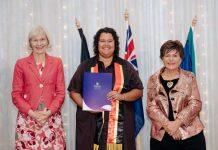
Distinguished Professor Steven Ratuva has added yet another first to his long list of accomplishments, becoming the University of Canterbury’s first Te Amorangi | Pro-Vice-Chancellor Pacific.

Covid-19 leaves unpaid carers without physical and mental health treatment
This was at a time when the majority (70%) of carers had to provide more care for older, disabled or seriously ill relatives or friends, and millions more people took on an unpaid caring role.

University of Southampton signs up as new Culture Partner for ABP Southampton Marathon
The University of Southampton is the new Culture Partner for the hugely popular ABP Southampton Marathon, which attracts 10,000 runners into the city and three times that number including their friends and family, and people lining the route.

Researchers unlock secrets of the past with new international carbon dating standard
Radiocarbon dating is set to become more accurate than ever after an international team of scientists improved the technique for assessing the age of historical objects.

Why we need a clearer approach to technology in schools
The rise of ChatGPT shows why we need a clearer approach to technology in schools.

Robot hygiene important too
Robotic support pets used to support older adults and people with dementia acquire bacteria over time, but simple cleaning can help them...

Dramatic changes in New Zealand river flows, research finds
Parts of the North Island have seen extreme rainfall this summer, but long-term trends show summer river flows are decreasing in these areas and they’re likely to be getting drier.

Singapore: new International “Asia Social Innovation by Design” course
Students of the Grande Ecole Program will now have the opportunity to follow a “specialization” called “Asia Social Innovation by Design” in Singapore at Strate School of Design.

New study reveals ‘invisible’ glacier loss in the greater Himalaya
A new study involving scientists from the University of St Andrews reveals that the mass loss of lake-terminating glaciers in the greater Himalaya has been significantly underestimated due to the inability of satellites to see glacier changes occurring underwater.