




















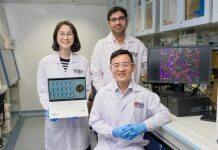
NUS scientists develop realistic ‘micro-gut’ model to study the relationship between gut microbes and...
The 3D scalable ‘gut-on-a-chip’ model enables real-time visualisation of the interactions of gut microbes and the human intestine.

Two UM scholars elected fellows of prestigious international societies
Two University of Macau (UM) professors have been elected fellows of prestigious international societies. Prof Xu Qingsong in the Department of Electromechanical Engineering of the Faculty of Science and Technology (FST)...

Outstanding educators earn teaching recognitions
University of Adelaide educators Associate Professor Claudia Szabo and Associate Professor Benjamin McCann have been recognised at...
Correlation found between weather conditions and lower COVID-19 fatality rates: CityU research study
A correlation exists between the weather and humidity that patients are exposed to during different stages of COVID-19 infection and the probability of death, according to Dr Sean Yuan Hsiang-yu...
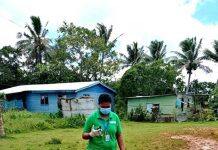
Socks on a mission: researchers turn feet into soil detectives to uncover hidden pathogens
Researchers in Fiji's informal settlements are using their own footsteps to detect the hidden pathogens in soil that traditional techniques often miss.
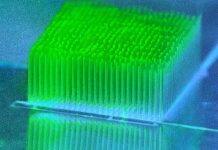
Tiny ‘skyscrapers’ help bacteria convert sunlight into electricity
Researchers have made tiny ‘skyscrapers’ for communities of bacteria, helping them to generate electricity from just sunlight and water.
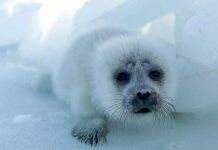
Caspian Sea decline threatens endangered seals and coastal communities
Urgent action is needed to protect endangered species, human health and industry from the impacts of the Caspian Sea shrinking, research led by the University of Leeds has found.
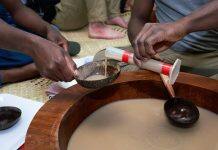
University of Waikato Fulbright Scholar to study how kava can be used to reduce...
Dr Apo Aporosa, a former police officer who left policing with PTSD, has received a Fulbright Scholarship to work for three months with institutes in Hawai’i on two projects.

Older adults benefit from exercising with people in their local area
Mid and older life adults are choosing to exercise with people of the same age who they live near to and see often, regardless of the quality or quantity of those relationships, according to new research.
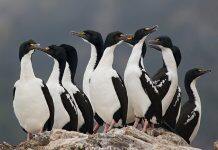
Blue-eyed shags survive Ice Age in New Zealand
The genetic whakapapa of New Zealand’s blue-eyed shags stretches back millions of years – outliving their close relatives throughout the Ice Age – University of Otago research has found.