



















Chemistry breakthrough has potential to make more effective cancer drugs with less harmful side...
Chemists have discovered for the first time a unique way to control and modify a type of compound widely used in medicines, including a drug used to treat breast cancer.
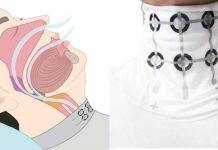
Scientists develop ‘smart pyjamas’ to monitor sleep disorders
Researchers have developed comfortable, washable ‘smart pyjamas’ that can monitor sleep disorders such as sleep apnoea at home, without the need for sticky patches, cumbersome equipment or a visit to a specialist sleep clinic.

Canada’s treatment of internationally trained physicians exacerbates the health-care crisis
Mobility restrictions imposed on internationally trained physicians in Canada could be aggravating the health-care crisis intensifying an ongoing doctor shortage.

$30M gift will advance ground-breaking research
A transformative investment from Bruce Mitchell (Sc’68, DSc'20), will support the university in increasing research intensity, graduate student recruitment, and creating an environment for bringing scholars together to make life-changing discoveries.
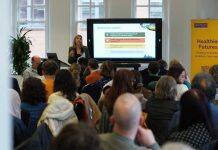
Expert says ageing is ‘an opportunity, not a problem to be managed’
Professor Tine Buffel called for society to reframe ageing as an opportunity during her plenary at the Age-Friendly Futures Summit held from 25 to 27 March in Manchester.

Predicting when epileptic seizures will happen
Scientists at the CHUM Research Centre work towards forecasting or at least better detecting when a person with epilepsy will have an attack, thanks to an implantable microchip.

Invasive pests have cost New Zealand billions
Getting rid of invasive pests such as agricultural weeds, stoats, possums, and fire ants will provide New Zealand with massive economic and ecological benefits, a new study has found.

Nine Perfect Strangers review: sharp dialogue and excellent performances can’t hide the hollowness of...
This review contains minor spoilers for the first six episodes of Nine Perfect Strangers. Nine Perfect Strangers is a polished take on wellness culture that is less “eat the rich” than “pass the Kool-Aid”.

WHO ‘needs to act’ on suicides caused by pesticides
Scientists are calling for more stringent pesticide bans to lower deaths caused by deliberately ingesting toxic agricultural chemicals, which account for one fifth of global suicides.

World-leading paediatric anaesthetist awarded Prime Minster’s Prize for Science
The University of Western Australia’s Professor Britta Regli-von Ungern-Sternberg has been awarded a prestigious Prime Minister’s Prize for Science for her life-changing...