



















Bristol researchers receive funding to help make quantum internet a reality
The University of Bristol will be involved in two projects announced as part of a £12m funding boost from Innovate UK to pioneer the quantum internet of the future.
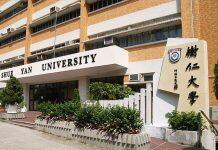
Hong Kong Shue Yan University Launching Two New Commerce Undergraduate Programmes
Hong Kong Shue Yan University has launched two new commerce undergraduate programmes, namely

The Hong Kong Polytechnic University to roll out International Summer School 2021
The Hong Kong Polytechnic University (PolyU) is rolling out the International Summer School between 19 July and 16 August 2021.
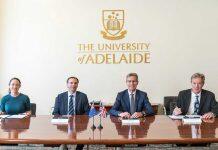
University of Adelaide and Babcock team up to boost defence talent and skills
A new partnership between the University of Adelaide and Babcock Australasia (Babcock) is set to accelerate Australia’s critical defence industry workforce to support the biggest and most ambitious defence agenda in the nation’s history.
USA, Chile and Peru interim trial data show Oxford-AstraZeneca vaccine is safe and highly...
A Phase III study of the Oxford-AstraZeneca coronavirus vaccine conducted by AstraZeneca plc in the USA, Chile and Peru has shown that vaccine is safe and highly effective...

A game changer for the Law of the Sea
Fresh back from the United Nations in New York, Professor Joanna Mossop is buzzing, having experienced something very few academics get to—participating in the creation of a new treaty in her specialist area of the Law of the Sea.

Leading cancer researcher joins SAiGENCI
Cancer research expert Professor Melissa Davis has been appointed as Program Leader, Cancer Systems Biology at the South Australian immunoGENomics Cancer Institute (SAiGENCI).

University design student collaborates with global creative group
A bright blue avatar created by a University of Waikato design student is on show across New Zealand as part of the University’s A Trimester 2023 campaign.

Snooze for science and help find a therapy for sleep apnoea
The Centre for Sleep Science at The University of Western Australia is investigating whether a new therapy will reduce the severity of obstructive sleep apnoea (OSA) and is looking for participants to take part in a nine-week trial.

New Fellowship Program Expands Career Options for Grad Students
With support from The Andrew W. Mellon Foundation and in partnership with the San Diego Community College District...