






















A collaboration between The University of Queensland and the Gimuy Walubara Yidinji Indigenous community of Far North Queensland has led to a visit to Africa to explore opportunities for advancing the future of Australian yams.
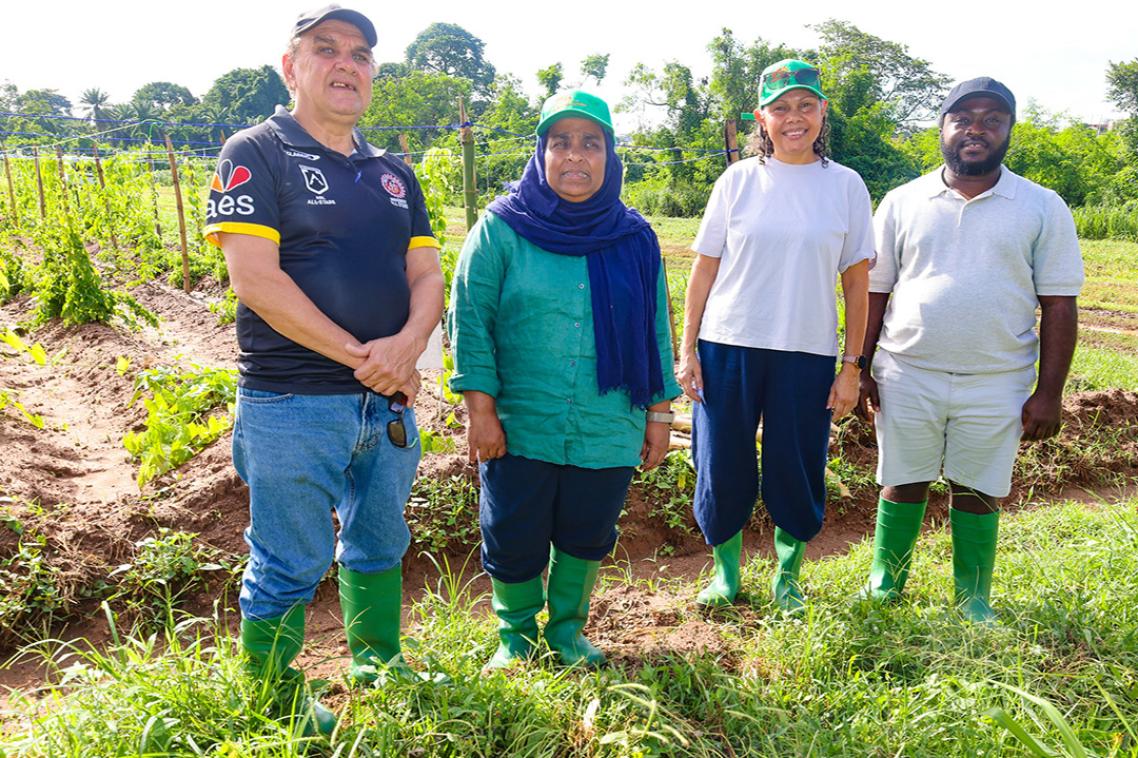
Nigerian-born UQ PhD candidate Samson Olumide Fawale was the motivation for Professor Yasmina Sultanbawa and Yidinji community members Tracy Gray and Roy Gray to visit the International Institute of Tropical Agriculture (IITA).
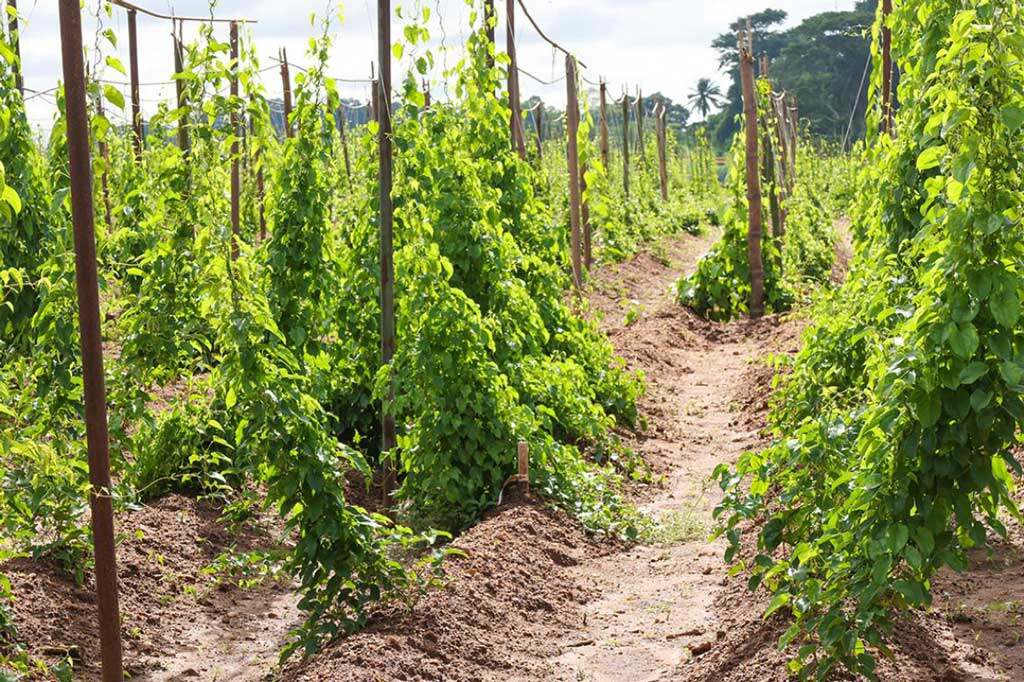
“Nigeria is the largest producer of yams in the world, and as a Nigerian, I thought this was a perfect opportunity for Australia to learn from their success,” Mr Fawale said.
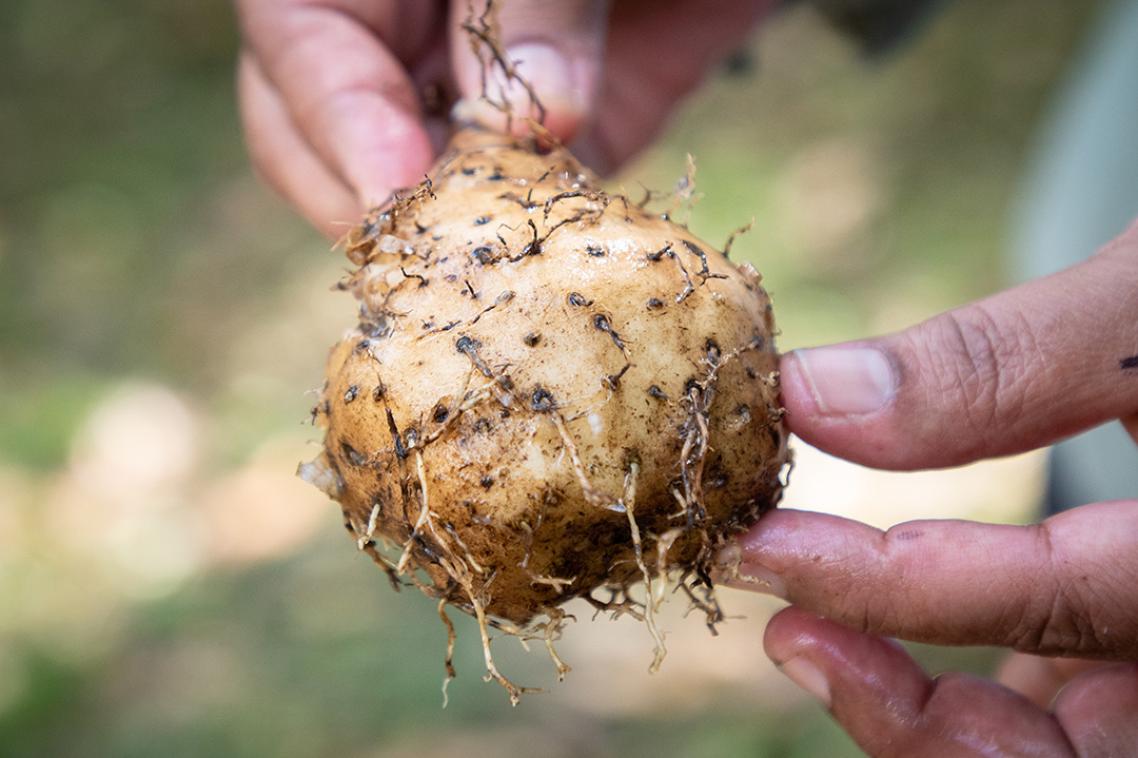
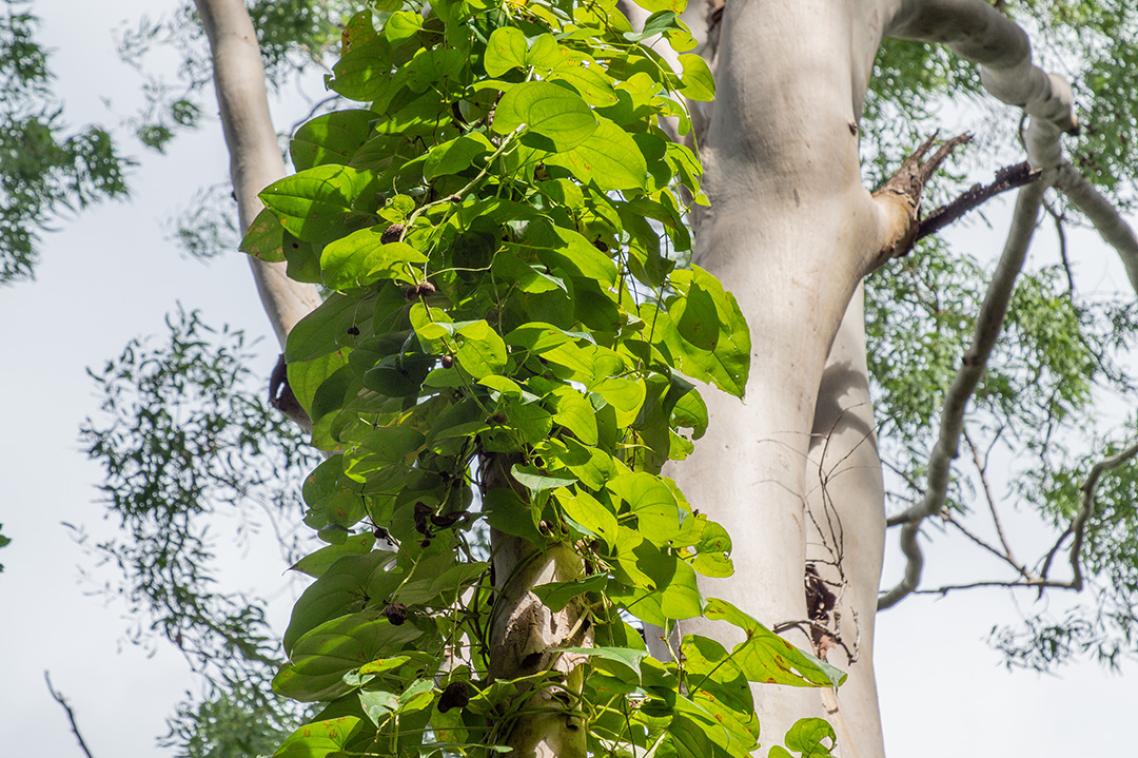
His research at the Queensland Alliance for Agriculture and Food Innovation has identified the nutritional properties of Australian yams, which are the edible roots of a climbing plant that Indigenous communities have eaten for generations.
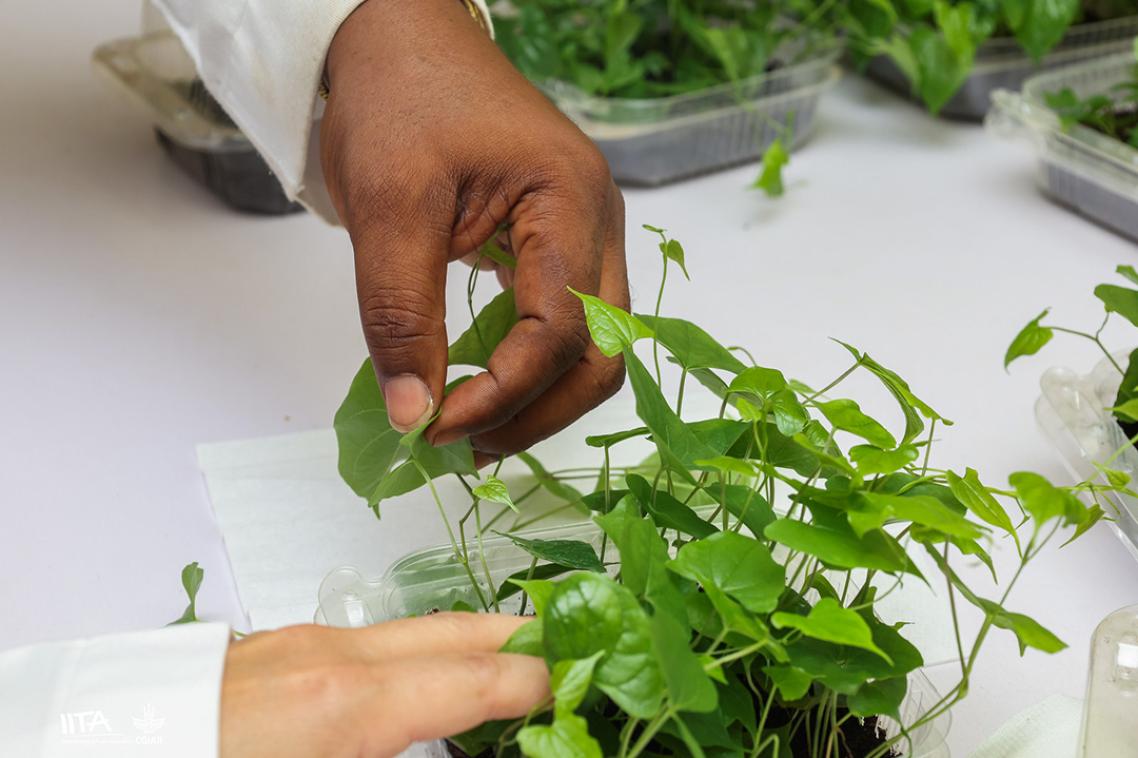
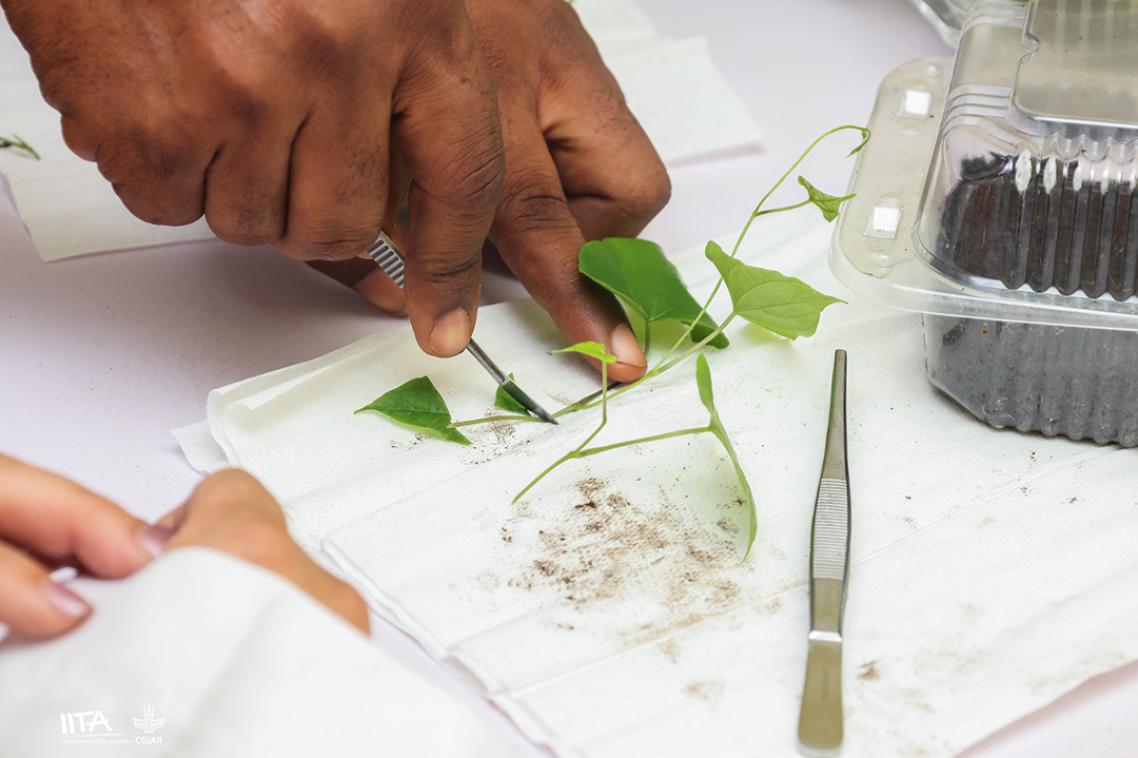
“Now that I know more about the composition of the Australian yams, the next area will concentrate on breeding and propagation.
“IITA is one of 15 centres of CGIAR, the world’s largest global agricultural innovation network.
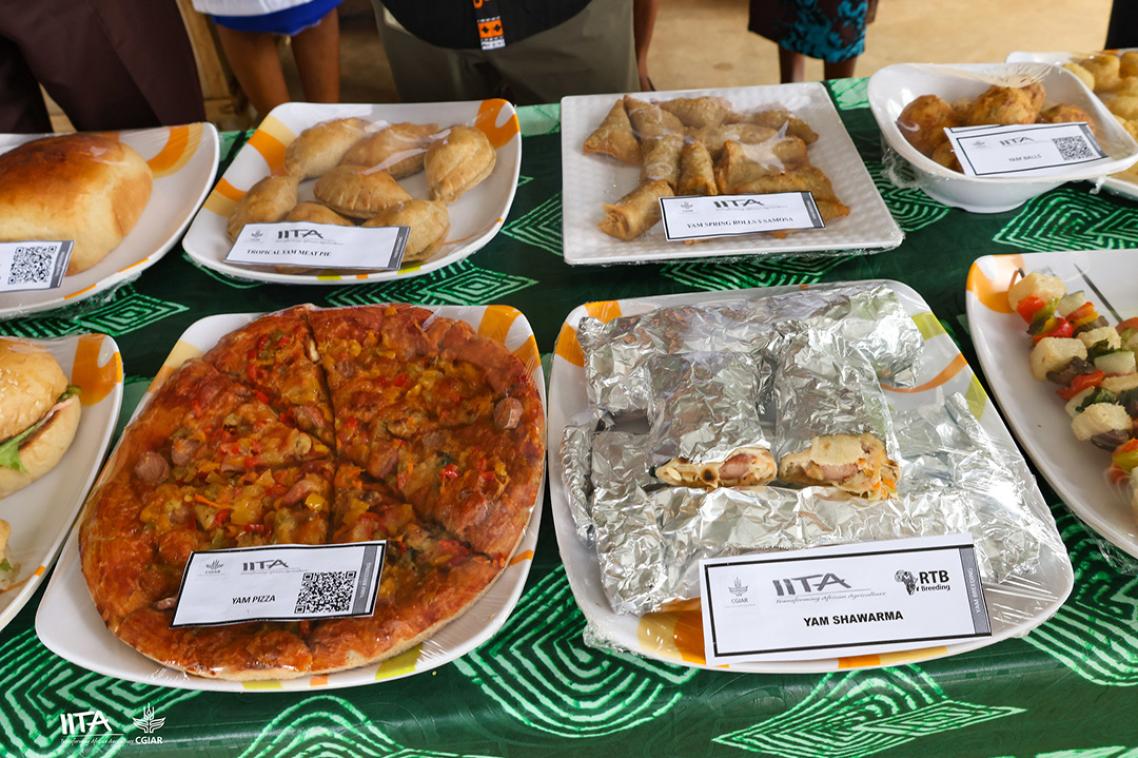
“Travelling to Nigeria to see and learn what IITA has done in the area of yam breeding and production was an opportunity to learn about the different techniques of growing yams, and to understand the business side from a country where yams are a staple food,” he said.
“There is a need to understand how breeding would improve the nutritional quality of the Australian yam species, and to be able to advise which variety would best suit which climate (based on the soil type) in Australia and the corresponding food quality of the yams.
“IITA’s mind-blowing success with yams is something we hope to mirror in Australia.”

PreviousNext
Inspired by the trip, the Grays have begun growing hundreds of yam plants of different varieties on country near Cairns to create a sustainable business that supplies their community with native food.
“The varieties we are planting are from wild harvested yams planted by our fathers many years ago,” Miss Gray said.
“Our trip to Nigeria with UQ ignited a fire in us to try this new venture and to see where it takes us.
“It’s very important for us to reignite the passion for yams with our people.
“We can combine ancient knowledge with the science on its nutritional benefits.”
Mr Fawale said the Yidinji project was just a start, with plans to expand the Australian program through a collaborative research partnership with IITA.
“We would like to work with food scientists, breeders and end users, as well as investigate other root and tuber crops native to Australia,” he said.
“We need to know what unique traits Australian yams have and whether Nigerian germplasm, or germplasm from other parts of the Pacific, could be successful here and how we could help each other.”
Mr Fawale’s research on the nutritional potential of several Australian yam species was published in Food Bioscience.