






















Archived footage shows a native water rat attacking a European black rat near Manly on Sydney Harbour.
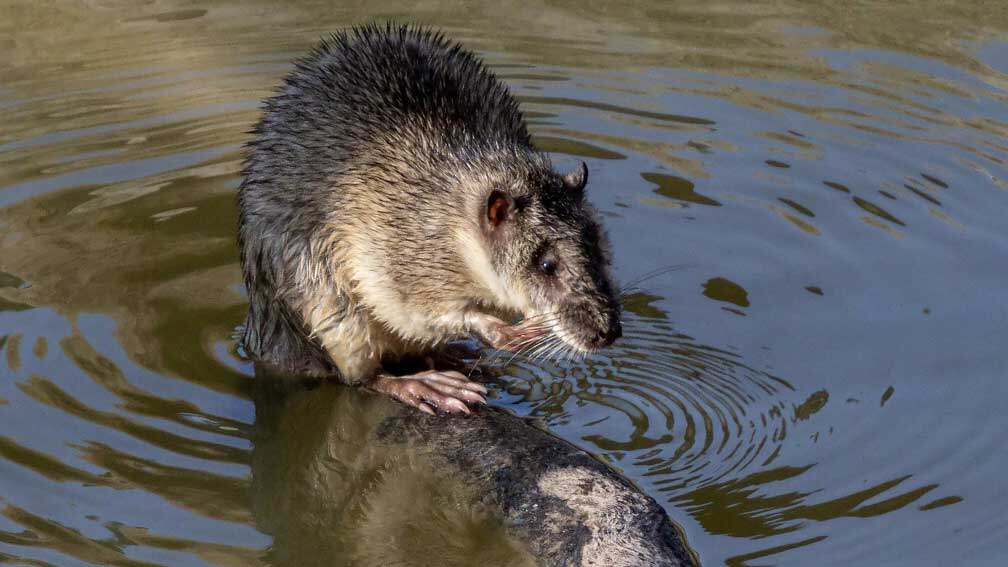
An introduced black rat scratches through leaf litter, looking for food. Nearby, a native water rat watches on, its beady eyes shining. The native rat pounces out from the shadows, sending the invader fleeing.
The encounter in Sydney bushland, captured on video, is the first documented evidence of an aggressive interaction in nature between a native water rat, also known as rakali, and a black rat.
The footage, discussed in our new research, provides proof that rakali (Hydromys chrysogaster) actively hunt introduced black rats (Rattus rattus). This behaviour may offer a promising natural form of pest control.
Rakali are carnivorous rodents, and the largest of Australia’s 60 native rat species. Our findings suggest efforts to conserve the rakali should include Australia’s urban environments, where introduced rats cause a host of problems.
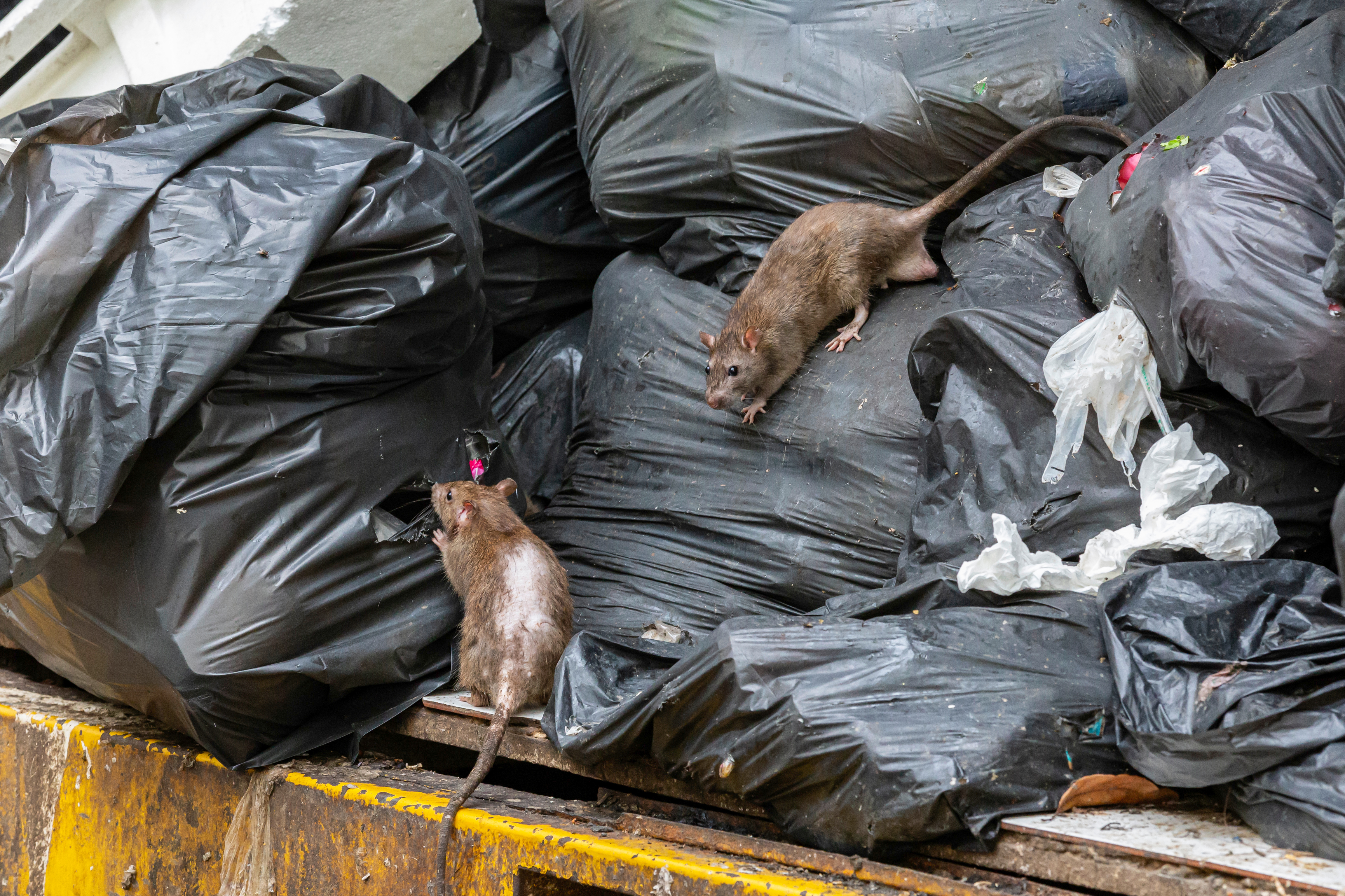
Introduced rats spread disease and cause other problems in cities. Photo: Chanawat Jaiya/Adobe
The problem of black rats
Rats have lived with humans for about 4,000 years. In Australia, invasive rats are an ongoing concern.
Anecdotal reports suggest Sydney, for example, has a growing vermin problem. Public concern was fuelled late last year when footage emerged of rats scurrying through a food court at a popular Sydney shopping centre (see video below).
Black rats and brown rats are the two main pest rat species in Australia. Both were introduced by Europeans. They compete aggressively against other species for food and can breed quickly.
Black rats are particularly abundant in urban areas and nearby bushland. They may prefer natural vegetation to urban environments, if there are no competitors around.
Their ecological impact is significant. Black rats prey on bird nests, skinks and invertebrates and also eat seeds.
Black rats also pose serious health risks to humans, pets and wildlife.
They are the primary host of rat lungworm, a parasite on the rise in Australian cities. Rats also spread leptospirosis, a bacterial infection that has killed several dogs in Sydney in recent years, and infected scores of humans.
Managing introduced rats is becoming increasingly difficult. Some rodenticides have become less effective as rats developed genetic resistance. And rat poisons have been known to harm native species.
Clearly, better ways of managing introduced rats are needed. That’s where our new paper comes in.