














New website helps grow Kaurna language
University of Adelaide researchers have contributed to a new website, a comprehensive, up to date one-stop shop for everything about the Kaurna language, the original language of the Adelaide Plains.
UChicago scientists design ‘nanotraps’ to catch and clear coronavirus from tissue
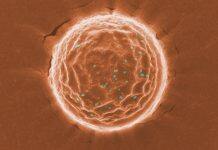
Potential COVID-19 treatment pairs nanoparticles with immune system to search and destroy viruses.

Looking to 2024: Climate change – dire warnings, but also renewed hope for progress,...
The downbeat news on climate change developments seemed only to gather pace in 2023, with the UN’s World Meteorological Office reporting that last year was the hottest observed in 175 years of record-keeping.

Accor to run Forrest Hall precinct hotel
Accor, a leading hotel operator in Australia, will operate Wonil Hotel which is set to open at the Forrest Hall Precinct in February 2023.
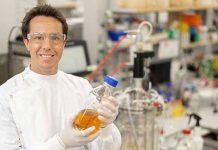
Demand booms for experimental mRNA from UQ BASE
A University of Queensland team has become the biggest supplier of experimental mRNA vaccines and therapies in Australia, with burgeoning demand from research and industry across the country.

A new method to assess the health of the ozone layer
Researchers have developed a new method for assessing the impact of ozone-depleting chemicals released into the atmosphere.

NTU Singapore in world’s top 15 in QS World University Rankings
NTU Singapore is ranked 15th in this year’s Quacquarelli Symonds (QS) World University Rankings.

Bristol graduates remain in high demand from top UK employers
Graduates from the University of Bristol continue to be the most sought after by leading organisations according to the latest study of the UK job market...
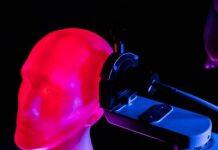
MSc in Biomedical Engineering upgraded for Autumn 2020
If you are interested in medicine, but not necessarily in working in a hospital environment, if you are passionate about life sciences,...
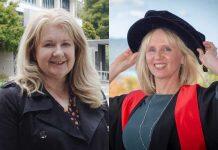
Study on the experiences of neurodivergent tertiary students
The study, led by School of Psychology Lecturers Dr Sharon Crooks and Dr Kathryn McGuigan, explored the experiences of 11 neurodivergent tertiary students.