















Scholarship enables students to tackle climate change
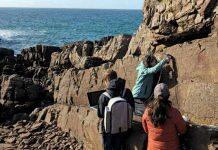
First-year Bachelor of Climate Change students Morgan Harris and Georgina Barwood are the inaugural winners of the Tower Insurance Climate Change Scholarship.

Almost all Kiwi preschoolers eating junk food
A study of thousands of Kiwi under-fives finds almost all eating hot chips and other fatty foods and insufficient fruit and veges.
University submissions for the international Earthshot Prize announced
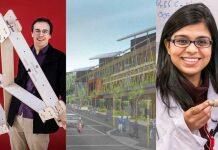
After a nationwide call for submissions, the Living Pā, XFrame, and Tasmanlon have been announced as our nominated projects for the 2022 Earthshot Prizes.

University of Toronto ranked among the world’s top universities by ShanghaiRanking Consultancy
The 2022 Academic Ranking of World Universities, released this week, saw the University of Toronto hold steady at 22nd in the world among all universities....
Marvels at Mac: Find a quiet moment and new perspectives at the Museum of...
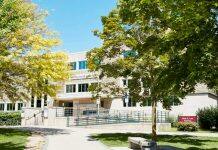
Marvels at Mac follows a student’s point of view, exploring campus and uncovering some of the super-cool places that students might not know about.
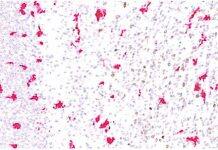
New study shows microglia cells colonise the human brain in waves
New research published today by the University of Southampton shows new insight in how our brain develops, that can pave the way for treating neurological disorders.

University of Toronto’s Centre for the Study of Korea takes centre stage with South...
The Centre for the Study of Korea – housed at the Munk School of Global Affairs & Public Policy’s Asian Institute – is taking centre stage at the Toronto International Film Festival (TIFF)...
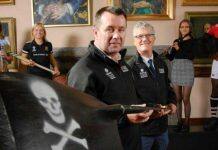
Bank of Ireland to sponsor Quercus Talented Students’ Programme at UCC
University College Cork is delighted to announce today that its flagship scholarship, the Quercus Talented Students’ Programme, is to be sponsored by Bank of Ireland up to the end of 2026.

UNSW researchers receive $6.9m for blood borne virus and STI research
Three major projects, focusing on reducing stigma, community-led models and assessment of people living with chronic hepatitis B, have received funding.

Two UNSW academics recognised as Fellows by the Australian Academy of Technological Sciences and...
UNSW academics are named Fellows for their innovative work in solar technology and geotechnical engineering.