



















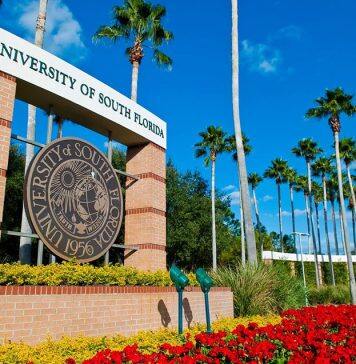

Johns Hopkins graduate Vijay Ramasamy named Rhodes Scholar
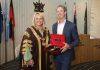
Ramasamy, who graduated from JHU in 2018 with a degree in public health studies, led the team drafting the state of Kansas' COVID-19 reopening plan

UWA staff and alumni recognised in King’s Birthday Honours
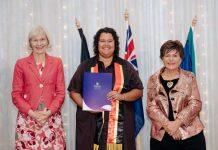
Emeritus Professor Carol Bower, who has had a profound impact on child and public health over a 40-year career, was one of 25 staff and alumni from The University of Western Australia recognised in the King’s Birthday Honours.
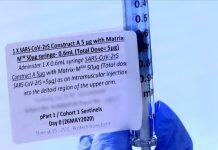
USF Health and Tampa General Hospital selected to participate in the Novavax COVID-19 vaccine...
USF Health and Tampa General Hospital have been selected as a site for a clinical trial testing the Novavax NVX-CoV2373 vaccine for COVID-19.

Research grants support industry partnerships
The University of Adelaide has been awarded more than $1 million in linkage grants from the Australian Research Council (ARC) to support alliances with industry. Two projects aim to improve safety in the mining industry and help preserve Australia’s cultural heritage.
Funding boost to improve manufacturing of viral vaccines
OVO Biomanufacturing, a spin-out company from Coventry University and the University of Warwick, has successfully secured £100,000...
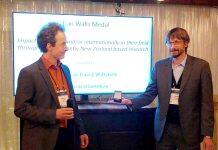
Physics professor wins award for dark energy research
A University of Canterbury theoretical physicist, who re-examined Einstein's gravity theory to help us understand ‘dark matter’, wins prestigious medal.
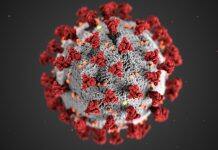
Elimination strategy optimal pandemic response – new research
A goal of eliminating community transmission of the pandemic virus causing COVID‑19 is achievable and sustainable as a response strategy for COVID‑19 and other emerging pandemic diseases...
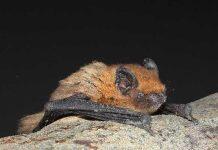
Bats struggle during organic farming transition
Bat activity falls as farms make the transition to organic agriculture, new research shows.
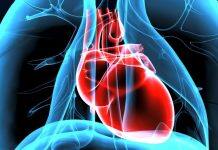
Regenerative heart valves and blood vessels a step closer
A number of years of careful laboratory tests have now led to the first pre-clinical tests of implantable biodegradable heart valves and stents.
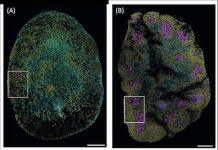
Immune cell discovery could lead to improved chronic worm treatment
Monash University researchers have uncovered why some intestinal worm infections become chronic in animal models, which could eventually lead to human vaccines and improved treatments.