












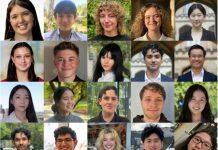






“Turning cultural objects into digital installations intrigues me”
Alexander Rusnak is a second-year student in the Master of Science in Digital Humanities program, offered by the Digital Humanities Institute in EPFL’s College of Humanities.

Robots and technology to change retail as we know it
Dr Sanjit K. Roy, UWA Business School and Dr Gaganpreet Singh, Jindal Global University, look at a retail revolution that is under way, where robots are playing an increasingly important role.
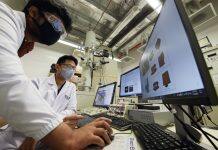
Microscopes and computers join forces to unravel biological mysteries
Researchers at the NUS Centre for BioImaging Sciences (CBIS) have developed a new method to observe materials of low atomic weight, such as biological molecules...
University of Alberta virologist awarded Nobel Prize in Physiology or Medicine
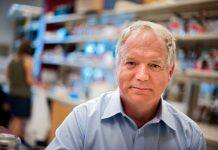
Michael Houghton was awarded the 2020 Nobel Prize in Physiology or Medicine today in recognition of his discovery of the hepatitis C (HCV) virus.
Regenerative heart valves and blood vessels a step closer
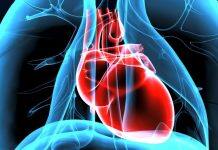
A number of years of careful laboratory tests have now led to the first pre-clinical tests of implantable biodegradable heart valves and stents.

Fighting food insecurity during a global pandemic
As the COVID-19 pandemic cripples food systems worldwide, governments must evolve and cooperate to heal the crisis, Johns Hopkins Professor Jessica Fanzo argues in a recent Nature op-ed.
New University of Alberta observatory gives a clear window into the wonders of the...
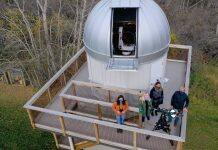
A new University of Alberta observatory opening at Miquelon Lake Provincial Park will give area stargazers a cutting-edge way to enjoy the splendour of the night skies.

Research finds increased trust in government and science amid pandemic
New Curtin University research has found a dramatic increase in people’s trust in government in Australia and New Zealand as a result of the COVID pandemic.
HKU Engineering scholar reveals in first global study hugely uneven urbanization among large cities...
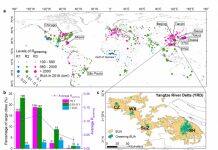
According to the latest report from the United Nations (UN), the global population in 2018 was 7.6 billion and the urban population was 4.2 billion.
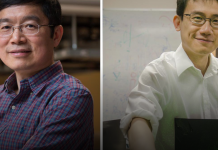
Lihong Wang and Changhuei Yang Named to National Academy of Inventors
Two Caltech faculty members, Lihong Wang and Changhuei Yang, have been named fellows of the National Academy of Inventors (NAI).