



















University of Macau kicks off celebration for 40th anniversary
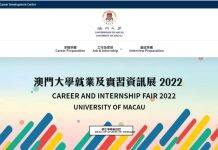
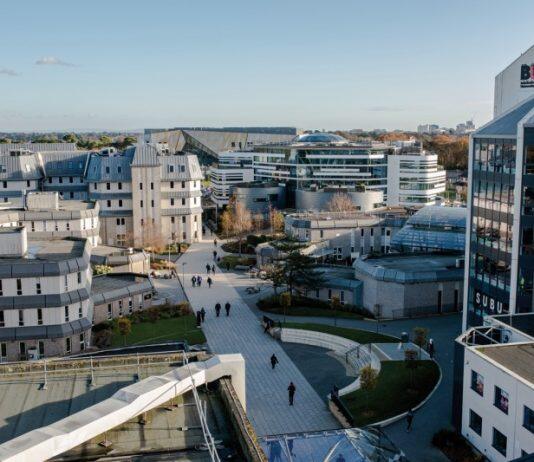
The University of Macau (UM) today (17 January) held an opening ceremony to kick off the celebration for its 40th anniversary.

Te Herenga Waka—Victoria University of Wellington welcomes funding for Wellington Science City
Te Herenga Waka—Victoria University of Wellington welcomes the funding announced in Budget 2023 to support the Wellington Science City initiative.

Defying gravity: Aspiring astronaut recognized as a role model for women in STEM
Floating in microgravity high above Calgary, Makenna Kuzyk saw her future flash before her eyes.

Researchers at the top of their fields elected as Fellows
Two Massey University academics have been elected to the Academy of the Royal Society of New Zealand Te Apārangi for their distinction in research advancement of science, technology or the humanities.

Opinion: Leaning into the Five Ways to Wellbeing this Mental Health Awareness Week
This week is Mental Health Awareness Week, a time to reflect on taking steps for self-care and wellbeing. We often think of mental health as the absence of mental distress, but they are actually two separate (although related) ideas.

Invasive pests have cost New Zealand billions
Getting rid of invasive pests such as agricultural weeds, stoats, possums, and fire ants will provide New Zealand with massive economic and ecological benefits, a new study has found.

University of Manchester placed 50th in THE World Reputation Rankings 2025
The University of Manchester has been ranked the 50th most powerful global university brand in the Times Higher Education World Reputation Rankings 2025.

University spinout company awarded £2.3 million to develop breakthrough therapies that address underlying causes...
Crucible Therapeutics and University of Sheffield secure a £2.3 million Innovate UK Biomedical Catalyst award to develop breakthrough siRNA therapies that address underlying causes of Motor Neuron Disease (MND).
Otago records second-largest domestic enrolments in its history
The University of Otago is on track to secure the second-largest enrolment of domestic students in its history this year, but due to the ongoing impact of COVID‑19 disruption, international enrolments have dropped for a third successive year.

Hundreds of female students empowered to kick learning goals
Still buzzing from seeing their newfound heroes, the Matildas, achieve amazing World Cup success, a group of 200 female students hit the field at Industree Stadium, Gosford to participate in Maths with Mariners.