


















Queen’s health researcher receives inaugural Canadian Cancer Society Lifetime Contribution Prize
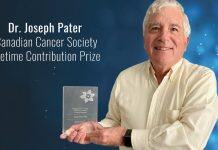
Joseph Pater, Professor Emeritus at Queen’s University, is the recipient of the Canadian Cancer Society Lifetime Contribution Prize, a new honour from the Canadian Cancer Society (CCS).

Air pollution linked with increased risk of autism in children
Exposure to fine particulate air pollution (PM2.5) has been linked with significantly increased risk of autism spectrum disorder (ASD) in children...

Personalised pacemakers could help heart patients keep fit
People living with heart failure could benefit from personalised pacemakers to help them exercise safely, thanks to a trial being carried out by a team in the School of Medicine.

World-leading asbestos diseases researcher awarded international prize
An internationally recognised researcher from The University of Western Australia who has helped improve the lives of mesothelioma patients has been awarded...
Study shows impact of pandemic on families with seriously ill children
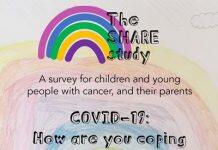
Many parents of children with chronic illnesses felt hospitals were unsafe during the COVID-19 pandemic and took to social media to find information relevant to them, a Southampton-led study suggests.

DadPlay: Tackling challenging behaviour in 3–5-year-olds
Australian fathers in rural, regional and remote areas, who are raising children aged three to five, with challenging behaviour, will have a helping hand through a new mobile-phone-based service.

Confidence in COVID-19 vaccines rises as more Americans receive shots, survey says
Fewer Americans are reluctant to get immunized against the coronavirus and they are growing more confident in the safety and efficacy of COVID-19 vaccines and the quality of their distribution.
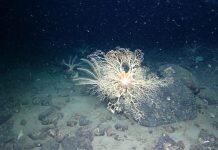
Collaborative study of natural hydrocarbon seep in Canada’s Arctic reveals presence of methane-degrading bacteria,...
Residents of the Nunavut hamlet of Clyde River and the nearby communities have long known about a naturally occurring hydrocarbon seep in Baffin Bay’s Scott Inlet.
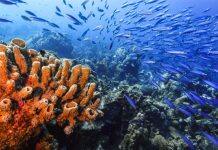
Stanford study finds climate warnings in ancient seas
A fossil study from Stanford University finds the diversity of life in the world’s oceans declined time and again over the past 145 million years during periods of extreme warming.

NEC Laboratories Europe supports University of Birmingham-based InHANSE’s innovative clinical cancer research
NEC Laboratories Europe today announced a donation to the University of Birmingham-based Institute of Head and Neck Studies and Education (InHANSE) to support its future cancer research.