














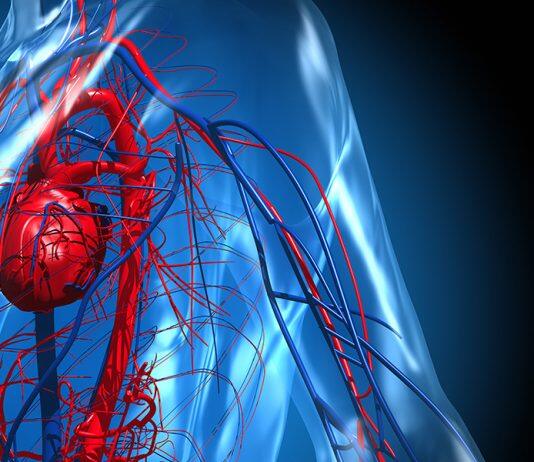
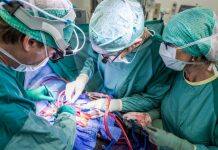
New heart treatment helps the body grow a replacement valve
Replacement heart valves that grow inside the body are a step closer to reality following studies led by researchers at Imperial.

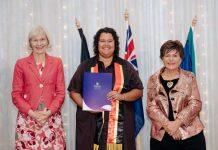
Curtin research boosted by more than $3.7 million in ARC funding
Curtin University research projects have been awarded more than $3.7 million in the latest Discovery Project (DP) and Linkage Project funding rounds from the Australian Research Council (ARC).

Measuring healthcare and security one step at a time
The analysis of a person’s individual walking pattern, or gait, can reveal details about their identity and reflect differences between individuals, groups and even populations.
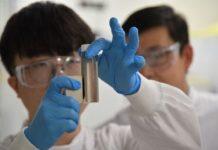
Magnetic method to clean PFAS contaminated water
Researchers at The University of Queensland have pioneered a simple, fast and effective technique to remove PFAS chemicals from water.
Preventing cancer relapse with a genetic test
Scientists have found a new way to predict which myeloma patients will benefit the most from a treatment often used to help keep the blood cancer from coming back after a stem cell transplant.
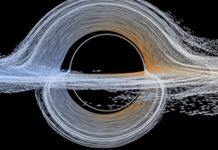
Could We Harness Energy from Black Holes?
A new Columbia study indicates energy can be extracted from black holes through reconnection of magnetic field lines.
Climate Science AI Builds Genuine Understanding of Climate System
Artificial intelligence programmes used widely in climate science build an actual understanding of the climate system, meaning we can trust machine learning and further its applications in climate science...
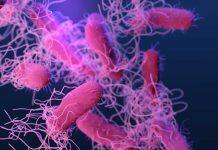
Expert Brian Coombes on what you need to know about Salmonella
The spread of extensively drug-resistant Salmonella in Canada has prompted serious public health concern.

Ruptured ACLs can heal without surgery, study finds
Anterior cruciate ligament (ACL) ruptures can heal without surgery and this could be key to better patient outcomes, according to new findings challenging the common notion that an ACL injury cannot heal.
Improving the efficacy of cellular therapies
Researchers have gained a better understanding of the complexity of the environment in which T cells thrive and, by extension...