





















Arthritis drugs save lives of hospitalised Covid-19 patients
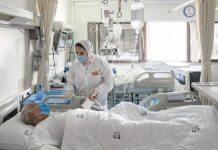
Drugs used to treat arthritis, known as interleukin-6 antagonists, reduce deaths and the need for mechanical ventilation among people hospitalised with Covid-19...

New report exposes critical issues and highlights reforms needed in Freedom of Information culture...
A robust Freedom of Information (FOI) process ensures independent access to government-held information, empowering the public, political opposition and journalists to hold governments and other institutions accountable.

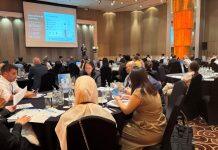
Waikato ranked among the best in the world in international student survey
In one of the toughest years for tertiary institutions with closed borders and Covid-19 lockdowns, students have ranked the University of Waikato among the best in the world and staff have praised its response and leadership.

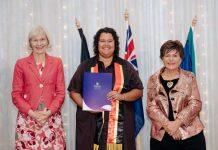
First Tongan Black Stick and Massey graduate – Lulu Tuilotolava
As part of celebrating Uike Kātoanga’i ‘o e lea faka-Tonga - Tonga Language Week, we interviewed recent graduate and former NZ Black Stick, Louisa (Lulu)...

Acceptance in uncertainty a key for emotional wellbeing
The study, led by the University of Adelaide's School of Psychology Lecturer Ella Moeck and published in the American Psychological Association journal Emotion...

A game changer for the Law of the Sea
Fresh back from the United Nations in New York, Professor Joanna Mossop is buzzing, having experienced something very few academics get to—participating in the creation of a new treaty in her specialist area of the Law of the Sea.

Like mother, like daughter: How caterpillars pass down food preferences to their offspring
Many caterpillars are known for their specific food preferences, which they bring with them when they morph into butterflies.

Pinpointing the cause of a mysterious heart disease affecting women
Researchers are exploring the genetics behind spontaneous coronary artery dissection.

Reputation boost for University of Adelaide in latest world university rankings
A boost in reputation for outstanding teaching and learning and world-class research has seen the University of Adelaide again climb in the world university rankings...

Analysis: 3 lessons on ethnicity, race and health equity from COVID-19
The COVID-19 pandemic has underscored the critical need for robust and equitable public health systems in Canada that address the population’s diverse needs.