









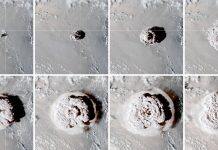
Hunga Volcano eruption and its once-in-a-century atmospheric wave
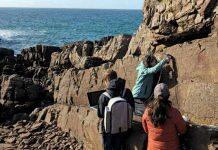
Hunga Volcano in the Kingdom of Tonga began a new eruptive sequence on 19 December 2021, culminating in the climactic eruption on 15 January 2022.

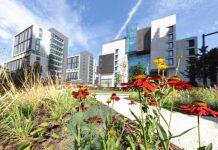
Festival of Regenerative Urbanism 2025
Australia's cities are facing big challenges - from climate change and rising inequality to loss of biodiversity. The Festival of Regenerative Urbanism 2025 is shining a light on bold new ideas to meet these challenges head-on.

$2.4m boost to advance R&D
A powerful new microscope has been commissioned at Flinders University as part of a national strategy to provide researchers and industry with the latest techniques to develop the next generation of materials and products.

NTU sets national record with AI-powered psychological first aid campaign
Nanyang Technological University, Singapore (NTU Singapore) has achieved a national milestone for the largest number of people trained in Psychological First Aid (PFA) within two months.
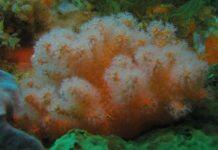
Ten new coral species discovered in science collections
Ten new species of New Zealand soft corals have been discovered by marine biologist Dr Gustav Kessel, who recently completed his PhD at Te Herenga Waka—Victoria University of Wellington.

School pupils lead the green charge at climate action event
More than 100 pupils and teachers from across North East England gathered on campus for a special event to help them take meaningful action on climate change.

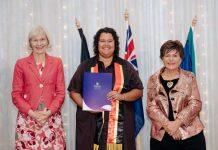
The Sydney student helping others reach university
A scholarship to the University of Sydney changed Kawana Crowe's life. Now the 20-year-old Wiradjuri woman from Macksville wants to help other rural, regional and Indigenous students find a pathway to university.

New study gives the aged care industry insights about enduring impact of childhood institutionalisation
New research has given policymakers and aged care providers first-hand insights about how to uphold dignity and meet the unique needs of Forgotten Australians.
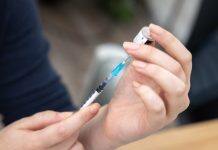
Interrupting immune-suppressing treatment can boost COVID vaccine response
A brief interruption in treatment for people who use immune-suppressing medicine can double the antibody response to COVID-19 booster vaccination.

Diabetes patients set to benefit from heart disease data investment
A University of Dundee expert will help spearhead a major research initiative to untangle the link between diabetes and heart disease - two of the biggest health crises in Scotland.