



















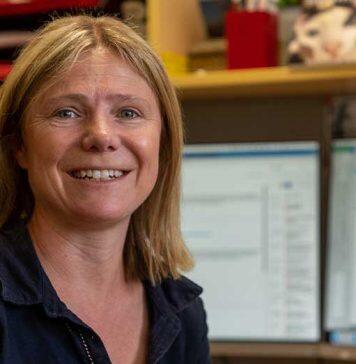

Study reveals secrets of men who live to 100 years of age
The largest study of ageing men in the southern hemisphere is exploring why some men have achieved centenarian status and how they have managed to avoid age-related diseases.

Two UC academics named Women of Influence
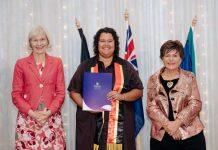
Two internationally renowned academics at the University of Canterbury have been named as finalists in the Westpac Women of Influence Awards 2021, recognising women making a difference in the work they do, and paving the way for others to follow.

Scientists may have solved a puzzling space rock mystery
An international team of researchers may have answered one of space science’s long-running questions – and it could change our understanding of how life began.

NTU placed 5th globally in THE rankings for interdisciplinary excellence
NTU’s excellence in interdisciplinary science research has been recognised globally in the latest Times Higher Education’s Interdisciplinary Science Rankings, in association with Schmidt Science Fellows, coming in fifth place this year.
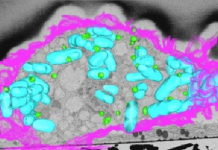
Fats fighting back against bacteria
Droplets of fat inside our cells are helping the body’s own defence system fight back against infection, University of Queensland researchers have discovered.

University of Manchester awarded £3m to transform irrigation monitoring in Sub-Saharan Africa
The Manchester Environmental Research Institute (MERI) at The University of Manchester has launched a new four-year programme that will transform how irrigation is monitored across Sub-Saharan Africa
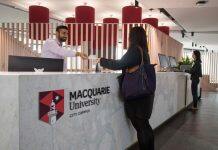
Asia Society Australia And Macquarie University Launch A Foundation Partnership
Macquarie University and Asia Society Australia today have launched a strategic partnership to promote deeper knowledge of Asia’s rapidly changing economic, business and policy environment amongst Australian leaders.

Scientists urge action over life-threatening pollution from solar power waste in Africa
Researchers from The University of Manchester investigating waste management practices for off-grid solar technologies in Malawi have discovered life-threatening quantities of lead pollution from improperly managed battery waste.

THE Impact Ranking places the University of Padua among the top 100 universities in...
Unipd is among the top 100 universities in the world: this important recognition is due to the University’s commitment to the United Nations 17 Goals for Sustainable Development.
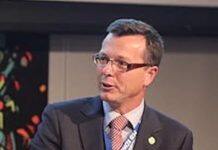
University of Hull announces keynote speaker for sustainable development goals conference
The University of Hull is honoured to welcome the Rector of the Artic University of Norway at Tromsø (UiT), Professor Dag Rune Olsen as the keynote speaker at the University’s Sustainable Development Goals Conference.