












Dehydrogenation demonstration begins for green heavy vehicles
NTU Singapore, PSA Singapore (PSA) and Japan’s Chiyoda Corporation (Chiyoda) have begun testing how hydrogen can be transported and stored as methylcyclohexane (MCH)...
£1m climate change programme launched to help Scottish businesses
A new partnership designed to empower Scottish companies and help them become climate change leaders has been launched by the University of Edinburgh and Royal Bank of Scotland.
What can social media images tell us about our impact on nature reserves?
Demarcating protected areas, such as nature reserves and national parks, is key to conserving biodiversity by ensuring dedicated protection and maintenance of natural ecosystems.

Oxford Brookes student wins annual art competition
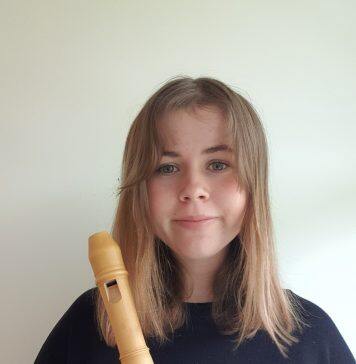
An Oxford Brookes University Fine Art student has won a prestigious international art competition that will see her work feature on the cover of a world-leading Opera House’s tour programme.

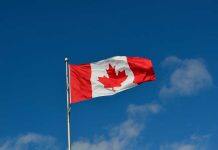
University of Toronto 1st in Canada, 26th globally by ShanghaiRanking Consultancy
The University of Toronto is ranked first in Canada and 26th globally in the latest edition of ShanghaiRanking Consultancy’s worldwide university ranking.
Novel stem cell therapy approach proves effective in treating COVID-19
An international team of researchers has advanced a new therapeutic approach using stem cells to treat COVID-19.
Science backs traditional knowledge of Kakadu plum health benefitsd
University of Queensland research has confirmed antioxidant properties in an Australian bushfood used by Indigenous people for generations.
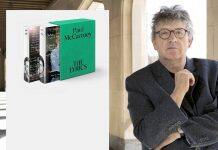
Paul Muldoon has collaborated with Paul McCartney on one of the season’s big books
In 2015, Robert Weil, the editor-in-chief of W.W. Norton/Liveright, invited Paul Muldoon to a performance of Verdi’s “Don Carlos” at the Metropolitan Opera in New York. During each entr’acte...
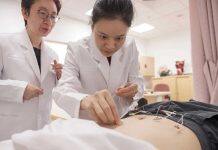
Electro-acupuncture could help with obesity management, finds scientists
Scientists led by NTU Singapore and Hong Kong University (HKU) have found evidence that electro-acupuncture – a form of traditional Chinese medicine (TCM) treatment – could be used to manage obesity.

New book draws on Pacific wisdom
Mana of the Pacific brings together inspirational proverbs and beautiful photographs that highlight the strength, resilience, wisdom and innovation of people from across the Pacific.