

























Research on the Record: meet Charitha Pattiaratchi
Professor of Coastal Oceanography Charitha Pattiaratchi’s body of work is, like the ocean, vast and deep.

New data shows prevalence of Premenstrual Dysphoric Disorder
Around 1.6% of women and girls have symptomatic Premenstrual Dysphoric Disorder (PMDD), according to a new review of global studies published in the Journal of Affective Disorders.

Scientists identify how fasting may protect against inflammation
Cambridge scientists may have discovered a new way in which fasting helps reduce inflammation – a potentially damaging side-effect of the body’s immune system that underlies a number of chronic diseases.

Blood pressure variability is a major predictor of heart attack and stroke risk
Changes to blood pressure over time could be used to identify patients at greatest risk of heart attack and stroke.

Religious people coped better with Covid-19 pandemic, research suggests
Two Cambridge-led studies suggest that the psychological distress caused by lockdowns (UK) and experience of infection (US) was reduced among those of faith compared to non-religious people.

New heart treatment helps the body grow a replacement valve
Replacement heart valves that grow inside the body are a step closer to reality following studies led by researchers at Imperial.
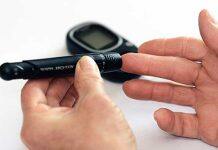
Weight loss intervention in people with type 2 diabetes influences cancer-associated proteins
A weight loss intervention in people with type 2 diabetes was found to alter levels of cancer-related proteins, according to the findings of a new University of Bristol-led study.

Glasgow report highlights transformational power of XR technology for education
The University of Glasgow has today officially launched its white paper on the benefits and challenges that immersive technologies like virtual reality can bring to education.

Soaring childhood obesity from pandemic will cost UK billions
A dramatic increase in child obesity levels during the Covid-19 pandemic is set to cost the UK over £8 billion, according to a new study by University of Southampton researchers.
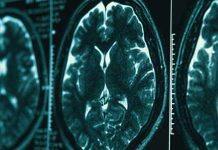
Study reveals longer term impact of sport-related brain injuries
Almost half of people who suffer a sports-related traumatic brain injury are still experiencing physical symptoms after six months, according to new research.