














Forecasting the next COVID-19
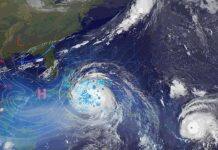
Princeton disease ecologist C. Jessica Metcalf and Harvard physician and epidemiologist Michael Mina say that predicting disease could become as commonplace as predicting the weather.

3Q: Looking back at MIT’s fall semester Covid-19 testing
Suzanne Blake of MIT Emergency Management analyzes the results from the program, which administered more than 250,000 tests last semester.
International HIV research to improve sexual and reproductive health of indigenous women and girls
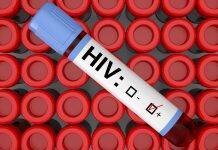
The lessons learned from understanding the HIV pandemic are also crucial to confronting the challenges posed by COVID-19, says the University's Dr Clive Aspin.
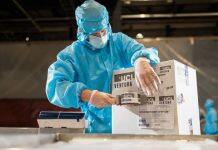
UCL-Venturas sent to India to help with COVID-19 surge
UCL has sent 100 non-invasive breathing aids to India as part of the UK Government’s shipment of emergency medical supplies.
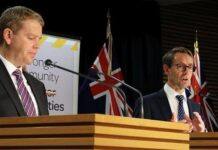
New Zealand is right to pause travel to Australia. It buys time to upgrade...
With the trans-Tasman travel bubble burst, now is the time to upgrade our Covid response against the threat of a Delta variant outbreak. Read more from University of Canterbury's Dr Matt Hobbs in a new article on The Conversation.
Significant psychological toll from COVID lockdown for people with histories of mental illness –...
New research suggests more priority needs to be given to support the health of New Zealanders struggling with mental illness during COVID-19 lockdowns – with findings showing many people with mental health histories struggle and are disproportionately affected.
Some COVID-19 symptoms could be anxiety driven, show hearing scientists
Reports of symptoms such as tinnitus and hearing loss during the coronavirus pandemic could in part have a psychosocial origin rather than being directly linked to COVID-19 or the SARS-CoV2 virus.

Life satisfaction plummets among young Aussies during COVID
Young Australians have suffered the greatest drop in life satisfaction during the first two years of the COVID-19 pandemic, new analysis from The Australian National University (ANU) shows.
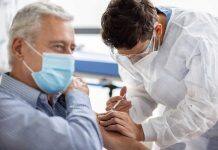
Research identifies immunosuppressed people are least likely to have COVID-19 antibodies
New research has identified which people with compromised immune systems are less likely to have COVID-19 antibodies - making them more vulnerable to a severe infection.
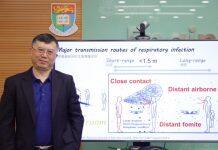
HKU mechanical engineering study reveals airborne transmission of COVID-19 opportunistic in nature and poor...
In collaboration with the Guangdong CDC, Hunan CDC, Sun Yat-Sen University and Southeast University, Professor Yuguo Li, Chair Professor of Building Environment, and his team at the Department of Mechanical Engineering of the University of Hong Kong (HKU)