




















Cutting-edge technology could be a ‘game changer’ for pain management
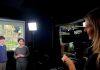
Technology that is enabling people to have conversations with famous faces through artificial intelligence is being applied to the world of persistent pain management in a project led by Teesside University.United Kingdom

Prestigious UK teaching excellence awards recognise Bristol’s outstanding educators
The University of Bristol has been awarded three prizes in the National Teaching Excellence Awards announced on 7 August by Advance HE.

NTU Singapore in world’s top 15 in QS World University Rankings
NTU Singapore is ranked 15th in this year’s Quacquarelli Symonds (QS) World University Rankings.

Wood becomes first woman to win $1M Waterman Award in math
The voicemail was extremely unusual. It was from the director of the National Science Foundation (NSF), who asked Melanie Wood to call him right back.

New national costing framework to help manage biodiversity threats
Regional, State and national conservation organisations are set to benefit from a new framework developed by a team of Australian researchers and designed to help cost out biodiversity threat abatement strategies.

Gaels capture silver at U SPORTS Women’s Rugby Championship
Football team advances to the 114th Yates Cup after beating Ottawa Gee-Gees 35-13 at Richardson Field.

Canterbury natural hazard research gets $1.35m funding boost
Three teams from the University of Canterbury have been awarded funding from Toka Tū Ake EQC to fill knowledge gaps and further improve engineering practices, land-use planning and building design to boost resilience.

Hundreds of marae exposed to natural hazards
New research aims to bolster marae resilience against flooding, landslides and other natural hazards.

Royal Meteorological Society gives Climate Science Communications Award to Dr Tamsin Edwards
The Royal Meteorological Society has awarded their 2020 Climate Science Communications Award to Dr Tamsin Edwards.

Vision via sound for the blind
Australian researchers have developed cutting-edge technology known as “acoustic touch” that helps people ‘see’ using sound.