


















Stephen Taylor inducted into Accounting Hall of Fame
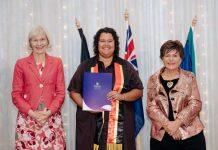
In recognition of his exceptional contribution to the field of Accounting, UTS Distinguished Professor Stephen Taylor has been inducted into the Australian Accounting Hall of Fame.

Jim Barnett: From the Ducks to the Golden State Warriors
Jim Barnett is a basketball lifer. After sprouting up four inches before his junior year in high school, he became a dominant player and began a basketball journey that continues to this day.

The problem with volunteer-run libraries for Auckland
Volunteers play a vital role in communities but they're not a substitute for trained and qualified librarians and library assistants, writes Anne Goulding.

UvA launches new research project on how to design tax systems for a post...
Today, the University of Amsterdam (UvA) announced the launch of the research project “Designing the tax system for a Cashless...

Renowned pianist to perform in St Andrews
One of the most brilliant and revered British pianists of her generation, Joanna MacGregor CBE, will perform a solo recital at the Laidlaw Music Centre at the University of St Andrews on Good Friday (7 April).

Westminster alumnus-led vaccine manufacturer set to play leading role in large scale production of...
Westminster alumnus Adar Poonawalla, who is the CEO of the world’s largest vaccine manufacturer called Serum Institute of India...

Children with asthma at risk of anxiety
Children diagnosed with asthma were at significantly increased risk of developing anxiety, a University of Queensland study has found.
Supporting vulnerable students during disasters
The preliminary results from a NSW Government-funded world-leading trial of medicinal cannabis, sponsored by the University of Sydney

Smoosh – a flatpack shoe designed for a digital nomad lifestyle
Dr Magdalena Karasinska’s nomadic experience served as a valuable starting point for her creative and practice-led research PhD project called ‘Smoosh.’

UF ascends to No. 6 in U.S. News & World Report rankings
U.S. News & World Report today named the University of Florida the No. 6 public university in the country