












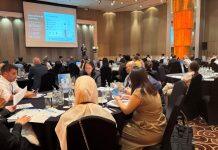






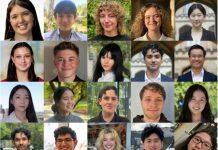






BINUS School Serpong wins the 2022 KIWI Challenge
BINUS School Serpong has taken out the top prize at the annual KIWI Challenge Competition in Jakarta, Indonesia.
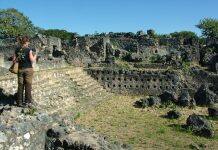
Ancient DNA reveals African and Asian ancestry of medieval Swahili people
People living on the ‘Swahili coast’ - the Indian Ocean coast of eastern Africa - have African and Asian ancestry according to new research on ancient DNA.

Professor Jennifer Balint appointed Dean of the Faculty of Arts
Professor Jennifer Balint has been appointed the Dean of the Faculty of Arts at the University of Melbourne.

Cosmic dawn occurred 250 to 350 million years after Big Bang
Cosmic dawn, when stars formed for the first time, occurred 250 million to 350 million years after the beginning of the universe, according to a new study led by researchers at UCL and the University of Cambridge.

Studies look at reactions to COVID vaccines
Two studies into COVID-19 vaccinations in Australian pharmacies have found fewer people reported adverse reactions compared to those who received the jabs at medical practices and vaccine hubs.
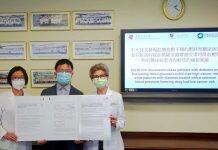
CUHK first discovers obese patients with diabetes and fluctuating blood glucose control had a...
Researchers at The Chinese University of Hong Kong (CUHK)’s Faculty of Medicine (CU Medicine) have reported two major findings related to cancer risk in patients with diabetes using big data.

Ribbiting rhythms: citizen science reveals new information about frog calls
Researchers use large-scale data from citizen scientists to analyse the calls of nearly 700 frogs and discover new insights about frog communication.

University of Alberta teams up with venture capital firm to advance agricultural innovation in...
The University of Alberta is partnering with a leading Silicon Valley firm to support innovation growth in Alberta’s agriculture and food sectors.

Smith School of Business and Mitacs launch internship program
Smith School of Business and Mitacs launch internship program to connect students with businesses and not-for-profit organizations during COVID-19.

Team effort: ITS and LAITS joined forces to build our new online world during...
Zoom has become a part of the daily routine for many at The University of Texas at Austin since the COVID-19 pandemic made it necessary to move the spring semester online.