
























Online tool found to be effective at assessing dementia risk
Scientists hope the new tool could be used to make it easier for GPs and patients to get information on dementia risk factors.

UQ researchers co-author IPCC Sixth Assessment Report
The Intergovernmental Panel on Climate Change (IPCC) has handed down the second instalment of its Sixth Assessment report, Climate Change 2022: Impacts, Adaption and Vulnerability.

Preventing the next pandemic
APolicy Forum articlepublished today inScience shows that an annual investment of $30 billion should be enough to offset the costs of preventing another global pandemic such as COVID-19.

CS4HS open to more digital teachers
The Covid omicron outbreak has proven to be a blessing in disguise for 2022’s CS4HS workshop, which takes place online on Thursday 10 February, as it will now be able to host even more teachers from throughout New Zealand.

PolyU MBA Online Information Seminar
PolyU MBA programme is now inviting applications for admission in 2020. Join the online seminar to learn how it develops you into an innovative...

New PhD scholarship focuses on protecting native forests
A new Doctoral Scholarship offers an exciting opportunity for a student to undertake research on the flammability of indigenous forests in New Zealand.
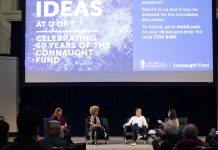
A night of big ideas: Celebrating 50 years of the Connaught Fund at University...
The dangers of international digital espionage. The earliest moments of the universe. How scientists can also be activists and changemakers.

Exposure to greenspace may lower risk of certain cancers
A University of Queensland-led study has found a link between exposure to gardens and a lower risk of being diagnosed with obesity-related cancer.

Why men, wealthy people and maritime residents are more likely to develop skin cancer
Study compares UV exposure and behaviours among different groups in with the goal of improving public health efforts aimed at reducing melanoma rates.

New high-speed test shows how antibiotics combine to kill bacteria
Researchers at Uppsala University have developed a new method to determine – rapidly, easily and cheaply – how effective two antibiotics combined can be in stopping bacterial growth.