























University of Auckland No 1 in Oceania and fifth in world for sustainability
The University of Auckland is in the company of the world's top universities for sustainability.

Distinguished Professor appointed co-director of Infectious Diseases Research Platform
Distinguished Professor Nigel French has been appointed inaugural co-director of the Infectious Diseases Research Platform, alongside Hauora Māori leader Te Pora Thompson.

New Deakin trial to treat IBD with psychological therapy
Your emotions can affect your digestive system. Deakin researchers are investigating whether this link can be reversed to treat gut problems.

University spinout tech companies recognised in national awards
Three tech companies spun out of research from Waipapa Taumata Rau, University of Auckland, have been recognised for outstanding innovation, contribution, and success at the 2022 NZ Hi-Tech Awards.
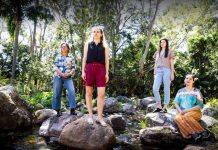
UOW Global Climate Change Week centres on climate action
Universities are vital hubs of research, teaching and leadership on climate change. Since 2015, Global Climate Change Week (GCCW) at the University of Wollongong (UOW) has been an important gathering of hearts and mind.

Carefully crafted exhibition honours Chinese settlers
A lockdown project turned intricate homage to ancestors – the Hocken Collections latest exhibition is a true feast for the eyes.

Honour for Durham geographer’s climate change research
Durham geographer Professor Harriet Bulkeley has been honoured for her boundary-breaking research into climate change.

Alum revolutionizes battery technology using saltwater
As someone born and raised in Calgary, Keith Cleland initially thought he would end up working in the oil industry. “Being from Alberta, that seemed like the natural thing to do,” he says.

‘Good’ fats and inflammation: more complex than first thought
Omega-3 fatty acids, popularly believed to reduce inflammation in the body, appear to increase certain inflammatory markers, researchers have found.
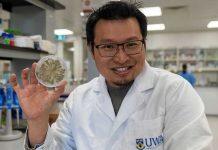
Fungi power project leads $3 million in Federal funding grants
A cutting-edge project using synthetic biology to create a special type of manufacturing platform using fungi is one of five projects at The University of Western Australia awarded nearly $3 million in Federal Government funding.