
























Texas Business Hall of Fame Scholars Began With Bright Ideas in the Food Biz
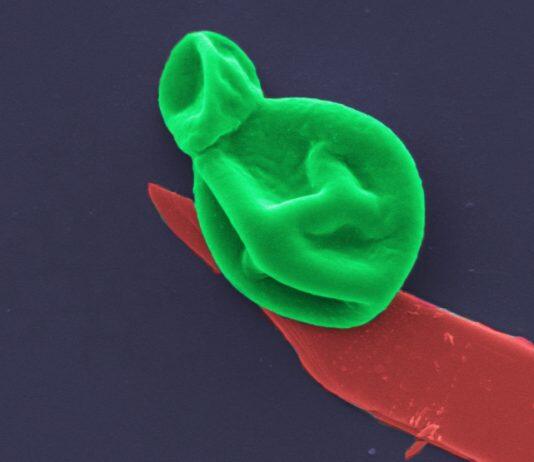
Building new-venture experience through a food startup is a common denominator shared by UTD’s two 2021 Texas Business Hall of Fame Foundation Scholar Award recipients.

‘Evidence is crucial’ for philanthropists to determine charity donations says new research
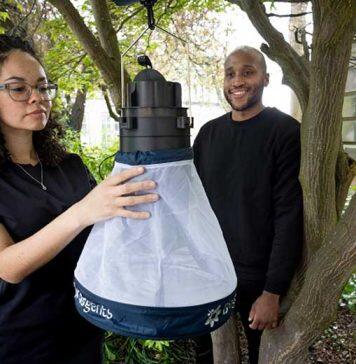
Research from the University of Birmingham has concluded that the process of giving to charity has to be grounded in evidence rather than reaction.

UNSW community recognised in King’s Birthday Honours
Members of the UNSW Community have been honoured across a range of disciplines.
UQ’s ‘Frazer Institute’ honours retiring vaccine co-inventor
The University of Queensland has recognised the outstanding contribution to society of medical researcher and philanthropist Ian Frazer AC by renaming the UQ Diamantina Institute in his honour.
Planting the seed for new soil carbon systems to address climate change
The Soil and Landscape Science Group (SLSG) at Curtin University will work with an international team to develop next generation soil carbon systems that will seek to address climate change and ecological sustainability in Australia.

Can plants be genetically programmed to save themselves?
Adil Khan has not seen The Martian. But his work is helping to ensure that when human beings do reach Mars, they will have a better time of it than Matt Damon’s Mark Watney.

Pint of Science festival returns to Loughborough
Quench your thirst for knowledge and come along to a series of local science talks led by Doctoral Researchers and academics from across the University.
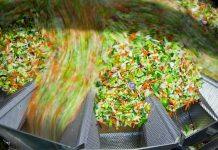
Study tracks food’s value from farm to plate globally
As soon as an ear of corn is taken off its stalk, or a potato is pulled from the ground, it travels anywhere from a few miles to across continents, and sometimes undergoes a multitude of processes that transform it into the food we consume.

Researchers bring conversation and cheer to CBD bars
Fill your glass and pull up a stool as 10 top researchers from The University of Western Australia transform Perth bars into learning spaces for this year’s Raising the Bar event on Tuesday 29 October.

Cheaper and better solar energy on the horizon
A new generation of cheap, sustainable and efficient solar cells is a step closer, thanks to scientists at The University of Queensland.