
















UM rector elected vice president of China Association of Higher Education
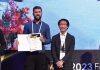
Yonghua Song, rector of the University of Macau (UM), was elected vice president of the China Association of Higher Education at the eighth meeting of the general assembly of the association held on 24 July in Beijing.

New course to put dentists on the frontline in managing sleep issues
Dental health professionals interested in treating patients with sleep-related disorders such as snoring and obstructive sleep apnoea are encouraged to sign up for a new micro-credential course at The University of Western Australia.

Comprehensive update to global biodiversity hotspots project begins
An international consortium involving Newcastle University has announced a major update to the world's biodiversity hotspots.

New Bachelor of Applied Computing in Finance to equip students with fintech know-how
NTU is launching a new Bachelor of Applied Computing in Finance (BACF) degree programme to meet the increasing demand from financial institutions and fintech firms for...

McMaster-designed peer support app for first responders launches this spring
McMaster researchers have designed two mobile applications to better equip Canada’s first responders with access to peer-to-peer mental health support and customized resources.

Study to lift vital vaccine uptake to protect pregnant women and vulnerable children
The University of Adelaide has secured more than $960,000 from the NHMRC to lead an international project to improve the uptake of vaccinations against influenza and COVID-19...

Livestock research scholarship funded by founder of ANZCO Foods
A new Lincoln doctoral scholarship aims to help meet the need for alternative pastoral livestock production systems that will foster the environment, soil, livestock, and human health.

Research to set children on path to success receives special Marsden funding
A Marsden Fund Council grant of $3m for a nationwide programme to understand the factors children need to succeed in life is a feature in the 2024 Marsden funding round.

Engineering graduate set up for work with hands on experience at Waikato
When completing university studies it’s not unusual to spend hours on end sitting at a desk - but this was not at all the case for Waikato engineering alumna Heidi Ruegg.

$1m boost for innovative engineering research
The founding director of the Auckland Bioengineering Institute, Distinguished Professor Peter Hunter, has stepped down. But his work to create our digital twin continues.