















UOW emerges as leader in latest sustainability rankings
The University of Wollongong (UOW) has secured an impressive 61st rank in the latest Times Higher Education (THE) Impact rankings announced on 1 June 2023.

Rover teams line up for 2024 challenge
Students from around Australia and overseas have joined the race to be selected to become finalists in next year’s Australian Rover Challenge (ARCh).
Brave move to tax digital economy
A revolutionary plan to address tax challenges arising from the digitalisation of the economy could be jeopardised, says taxation expert.

Financial Webinar: 5 Steps to Boost Your Financial Health
Are you saddled with money troubles? Are you challenged with knowing what to do and where to start your financial plan? This webinar will focus on the five steps to boost your financial health.

University scientists lead the conversation on growing the space economy
The University of Adelaide’s Professor Matthew Gilliham is guiding a session on the technologies needed to support long-term space habitation at the Andy Thomas Space Foundation 13th Australian Space Forum.

Why historical health data falls short in predicting future health care needs
Yet governments often still use historical, age-based and gender-specific profiles to predict how we will use health services at every stage throughout our lives.
Taipei Medical University Ranked Top 300 in the 2021 Impact Rankings
Taipei Medical University (TMU) has ranked in the top 300 of the world’s universities in the 2021 Times Higher Education Impact Rankings, improving its position between 301-400 the previous year.

Trial to fill 30-year knowledge gap in cancer surgery
University of Queensland researchers have received a $3.1 million grant for a trial which could revolutionise endometrial cancer treatment.
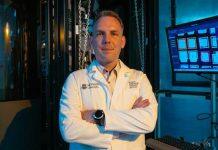
Professor Chris Greening awarded Prime Minister’s Prize for Life Scientist of the Year
Professor Chris Greening has been awarded the Frank Fenner Prize for Life Scientist of the Year – one of seven Prizes for Science awarded by the Prime Minister every year.

PhD student aims to change how engineering is done in northern and Indigenous communities
Raylene Mitchell's research is focused on the relationship between large-scale, renewable energy projects and the communities involved.