





















Bristol courses top Guardian University Guide 2024
Dozens of University of Bristol courses have placed highly in the Guardian University Guide 2024.

MIT Solve announces 2021 global challenges
New tracks for innovation address antiracist technology in the US, digital inclusion, equitable classrooms, health security and pandemics, and resilient ecosystems.

Why adaptability is a business superpower
The University of Wollongong’s (UOW) business accelerator and incubator program iAccelerate hosted a popular breakfast discussion on career pivots.

Moccasin fragment reveals precolonial connection between Subarctic and Southwest
New research by Lakehead University anthropologist Dr. Jessica Metcalfe and colleagues provides direct evidence for long-distance connections among precolonial Dene peoples...
Gene-edited chickens in fight against bird flu
Scientists have used gene editing techniques to identify and change parts of chicken DNA that could limit the spread of the bird flu virus in the animals.
Powerful brain imaging provides new insights on neurological symptoms of COVID-19
A team of Western scientists and clinicians is combining powerful brain imaging tools with Alzheimer’s and epilepsy expertise to better understand the effects of COVID-19 on the brain.

Studies confirm an overlooked risk for cardiovascular disease
“Bad” cholesterol isn’t the only culprit linked with a higher risk of cardiovascular disease, according to a trio of recent University of Alberta studies...
Argyle Scholarship support praised
She is one of 10 recipients of the $6000 award established by Lincoln University in 2020, in recognition of the contribution of Marlborough’s Gordon Holmes to farming and education...

University of Alberta’s strong subjects stand out in two global rankings
Two respected global rankings released last week highlight the University of Alberta’s strength in teaching and research across an array of disciplines including health, science, engineering and education.
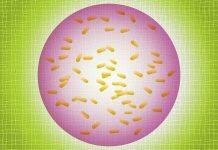
A safer way to deploy bacteria as environmental sensors
Encapsulating modified bacteria in tough hydrogel spheres prevents them from spreading genes to other microbes.