























The Novel Coronavirus: Facts and Fictions
While growing concerns have allowed for a more effective implementation of social distancing measures, mounting disinformation puts people at risk of unwittingly...
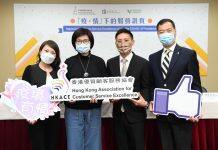
HKBU business survey reveals the importance of customer appreciation amid the COVID-19 pandemic
On 29th April, HKBU’s Department of Marketing partnered with the Hong Kong Association for Customer Service Excellence (HKACE) to announce the survey results...

Digital tool to dial back COVID-19 anxiety, depression and alcohol use
With more than a third of Australians now drinking alcohol daily, compared to 6 per cent pre-COVID-19, researchers are developing a digital tool to help communities manage the ongoing impacts of COVID-19.

Made-in-Alberta sanitizing device kills SARS-CoV-2 virus in 60 seconds
A new made-in-Alberta sanitization product aimed at stopping the spread of SARS-CoV-2 will soon be in use at the Edmonton International Airport and government offices in Calgary and Edmonton, thanks to a partnership with scientists at the University of Alberta’s Biosafety Level 3 Lab.

Climate change: threshold for dangerous warming will likely be crossed between 2027-2042
The threshold for dangerous global warming will likely be crossed between 2027 and 2042 – a much narrower window than the Intergovernmental Panel...

Massey University confirms COVID-19 vaccination policy
Massey University has confirmed its COVID-19 vaccination policy. From 14 February 2022 all staff, students and visitors will need to be fully vaccinated to enter Massey campuses or take part in in-person university activities.

About 5000 heart attack sufferers in England missed out on hospital treatment due to...
Researchers at the University of Oxford, working with NHS Digital, in collaboration with experts from the University of Keele, the University of Leeds, Imperial College London, University College London
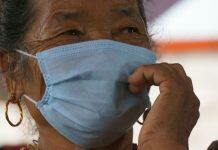
World’s largest clinical trial for COVID-19 treatments expands internationally
Peter Horby, Professor of Emerging Infectious Diseases and Global Health in the Nuffield Department of Medicine, University of Oxford, and Joint Chief Investigator for the trial...
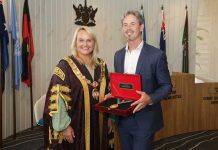
Citizen of the Year honoured for pioneering COVID-19 treatment
Two leading University of Newcastle health researchers, Professor Nathan Bartlett and Emeritus Professor Julie Byles have each been honoured in the 2024 City of Newcastle Citizen of the Year Awards.

Archaeology uncovers infectious disease spread – 4000 years ago
New bioarchaeology research from a University of Otago PhD candidate has shown how infectious diseases may have spread 4000 years ago