

























Expert Comment: Mental Health Issues Rise Due to COVID-19 ‘Almost Inevitable’
People in the UK are living in highly uncertain times. Along with the uncertainty surrounding our future relationship with the EU, and the increasing evidence of global climate change

Georgetown Executive Course on Arabic Literary Analysis of Crisis is Now Open for Registration...
Georgetown University in Qatar (GU-Q), a QF partner institution, is offering an innovative course in Arabic that provides participants an opportunity to...
Rice, Rutgers developing inhalable COVID-19 vaccine spray
Scientists at Rice University’s Center for Theoretical Biological Physics (CTBP) are part of a study to develop an inhalable COVID-19 vaccine.
Correlation found between weather conditions and lower COVID-19 fatality rates: CityU research study
A correlation exists between the weather and humidity that patients are exposed to during different stages of COVID-19 infection and the probability of death, according to Dr Sean Yuan Hsiang-yu...

Viral success: McMaster researchers discover new way to protect against infections like COVID-19
An exciting therapeutic discovery involving synthetic aptamers being worked on by McMaster researchers is showing promise in protecting against viral infections like COVID-19.

How protesters demanding ‘freedom’ from COVID restrictions ignore the way liberty really works
In the wake of the recent occupation of parliament grounds, University of Canterbury senior lecturer in psychology Andrew Vonasch and senior lecturer in philosophy Michael-John Turp explain the balance of positive and negative liberty and the risks that come with it on The Conversation.

Study examines spread of Covid vaccine information online
A new study from The University of Western Australia has established how rumours of alleged adverse events were spread around the world during the first months of the COVID-19 vaccine roll-out.

A dad’s-eye view of pregnancy during the pandemic
Becoming a parent is a major life transition at any time but in a pandemic it takes on a whole other experience as expectant mums and dads navigate the current health and social restrictions...

How Has COVID-19 Impacted the ‘Gig’ Economy?
Source: USC Marshall School of Business
5 Questions for USC Marshall Marketing Professor Davide Proserpio
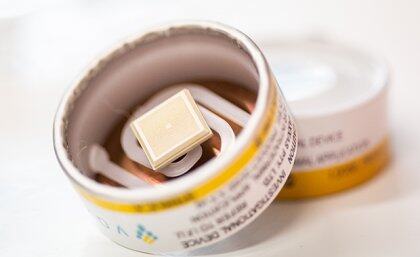
COVID vaccine patch fights variants better than needles
A needle-free vaccine patch could better fight COVID-19 variants, such as Omicron and Delta, than a traditional needle vaccine according to a University of Queensland study in mice.