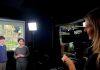

















Stanford researchers collaborate on new StageCast technology for performers separated due to COVID-19
Michael Rau was directing an opera in New York City when the world shut down last March. Rau, who is the artistic director of Theater and Performance Studies (TAPS) at Stanford University...

Stanford researchers identify four causes for ‘Zoom fatigue’ and their simple fixes
Even as more people are logging onto popular video chat platforms to connect with colleagues, family and friends during the COVID-19 pandemic...

Microbes are becoming more resistant to drugs
Due to the fact that COVID-19 therapy is increasingly based on pharmacological treatment, we are running the risk of speeding up the evolution of drug resistance in microbes.

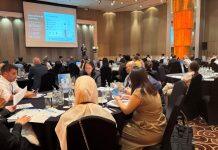
Tumultuous Times: National economics forum to ask the big questions
The University of Waikato is set to host a national economics conference in person and via livestream on 3 and 4 March to ask the big questions about the future of New Zealand’s economy.
Support for COVID-19 policy response and willingness to get vaccinated high, according to new...
Support among Australians for the policy response to the coronavirus (COVID-19) pandemic and willingness to get vaccinated is high, according to new University of Melbourne research.

Digital tool to dial back COVID-19 anxiety, depression and alcohol use
With more than a third of Australians now drinking alcohol daily, compared to 6 per cent pre-COVID-19, researchers are developing a digital tool to help communities manage the ongoing impacts of COVID-19.

More than 87,000 scientific papers on coronavirus since pandemic
Scientists from around the world have published more than 87,000 papers about coronavirus between the start of the COVID-19 pandemic and October 2020, a new analysis shows.

Politicized pandemic shaped compliance with social distancing
Politicization of the COVID-19 pandemic had a powerful influence over adherence to social distancing guidelines in the United States and why people did, or did not, comply during the lockdown days, a new study has found.
Viruses can ‘hijack’ cellular process to block immune response
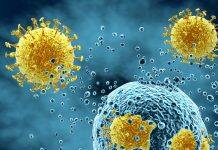
Research led by McGill University and Queen’s University Belfast has found that viruses can ‘hijack’ an existing molecular process in the cell in order to block the body’s antiviral immune response to a viral infection.

Scientists Link Star-Shredding Event to Origins of Universe’s Highest-Energy Particles
A team of scientists has detected the presence of a high-energy neutrino—a particularly elusive particle—in the wake of a star’s destruction as it is consumed by a black hole.